Selecting the Right Roofing Solutions for Uganda's Diverse Climate
This guide provides essential technical insights into selecting, installing, and maintaining durable roofing systems tailored to Uganda’s climate and construction standards.
The Critical Importance of Quality Roofing in Uganda
In the construction landscape of Uganda, the roof represents more than just the final stage of a build; it is the primary protective barrier against our complex tropical climate. With alternating periods of intense solar radiation and heavy seasonal rainfall, selecting the right roofing system is a critical decision for contractors, developers, and property owners alike. A poorly executed roof design or the selection of sub-standard materials can lead to long-term structural issues, water ingress, and excessive maintenance costs, directly impacting the return on investment for any real estate project.
Understanding Material Options for the Ugandan Market
The Ugandan market offers a broad range of roofing solutions, each with distinct advantages depending on the project type, budget, and architectural requirement. The following materials remain the most prevalent:
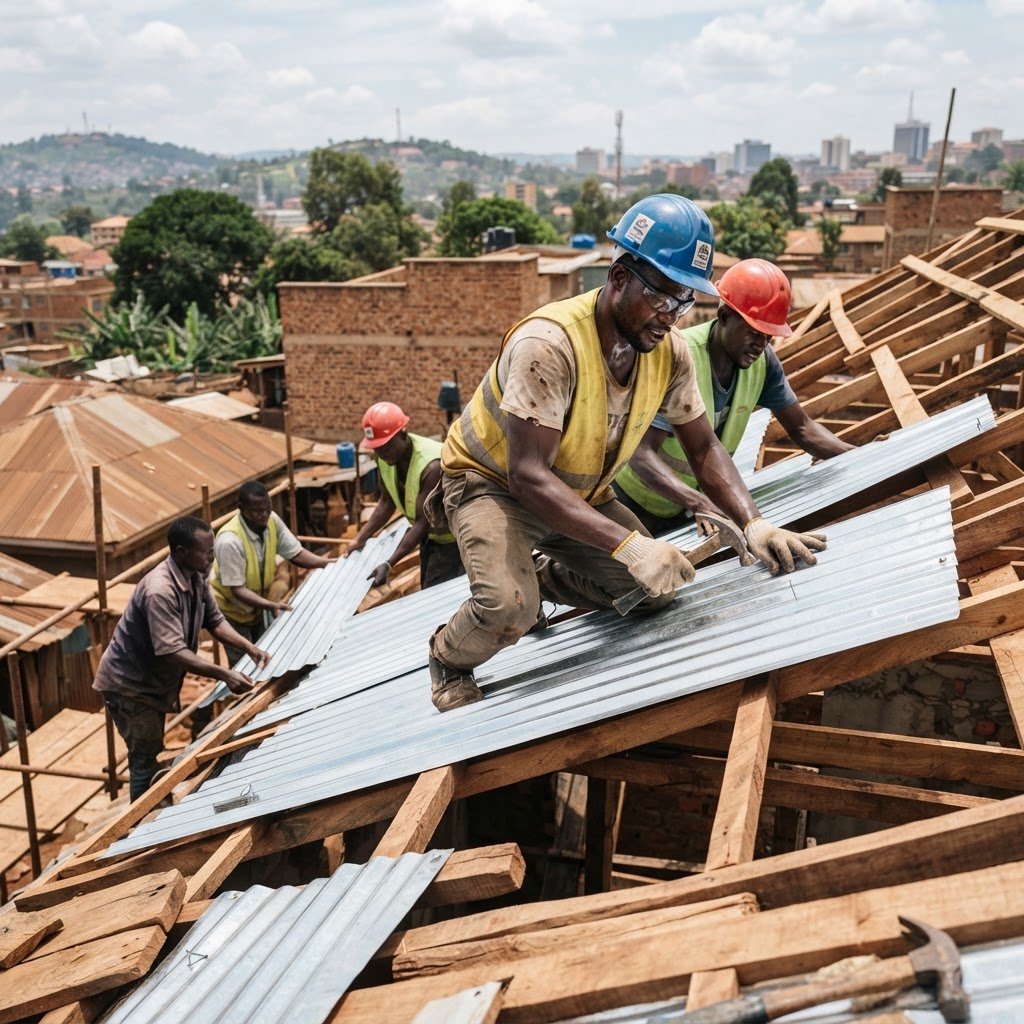
- Galvanised Iron Sheets: The most traditional choice in Uganda, favoured for its affordability and ease of installation. Modern gauge-controlled sheets offer better longevity, provided they are treated to resist corrosion.
- Stone-Coated Steel Tiles: Increasing in popularity due to their aesthetic appeal and superior acoustic performance during heavy rainfall, which provides a significant advantage over conventional corrugated iron.
- Clay and Concrete Tiles: These materials provide excellent thermal insulation, keeping interiors cooler in the scorching Ugandan sun, though they require robust structural support due to their significant dead weight.
- Polycarbonate and Translucent Sheets: Increasingly used in industrial and commercial sectors to optimise natural lighting, effectively reducing energy consumption during daylight hours.
Key Considerations for Tropical Roof Design
When engineering a roof for a Ugandan climate, contractors and architects must prioritise three technical factors: thermal resistance, drainage capability, and wind uplift resistance. Our intense tropical downpours demand a sufficient roof pitch—typically no less than 15 degrees for steel sheeting—to ensure water runoff is rapid and effective, preventing pooling and subsequent leaks.
Best Practices for Installation and Maintenance
The durability of a roof is often dictated more by the quality of installation than by the materials themselves. Professional standards must be maintained across several key areas:
- Structural Integrity: Ensure the timber or steel roof trusses are designed by a qualified structural engineer to accommodate the calculated dead and live loads, including the weight of maintenance personnel.
- Precision Fastening: Many leaks in Ugandan projects are caused by incorrectly installed or over-tightened fasteners. Using quality washers and ensuring screws are driven to the correct depth is non-negotiable.
- Ventilation: Proper roof space ventilation is often overlooked. Introducing ridge vents or ventilated eaves helps prevent heat buildup, significantly extending the lifespan of roofing membranes and underlying structures.
- Regular Inspection: Property owners should schedule biennial inspections to check for loose fasteners, clogged gutters, and signs of corrosion, particularly in areas near industrial centres or coastal humidity levels.
Optimising Procurement and Supply Chain Management
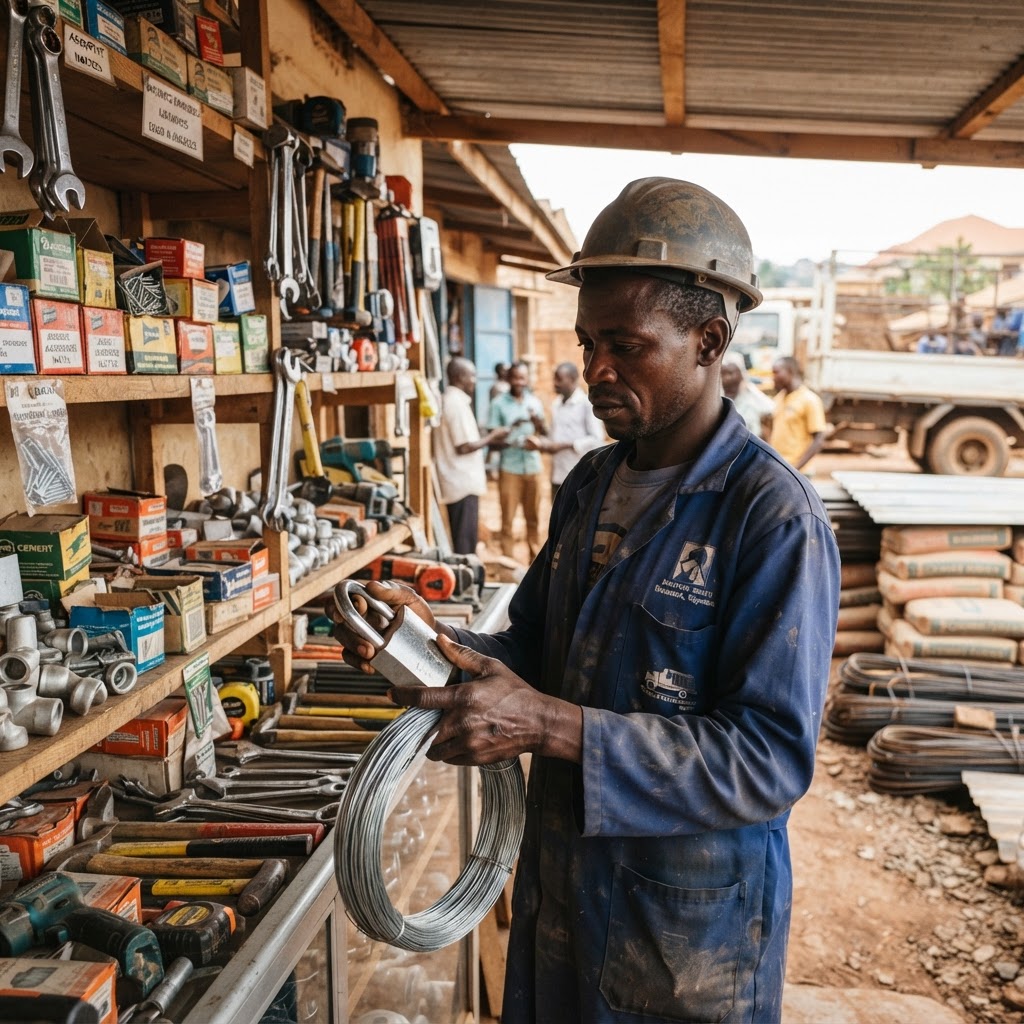
For contractors and developers, navigating the supply chain for roofing materials requires a focus on quality assurance. Counterfeit or thin-gauge roofing sheets are common in unregulated markets, leading to premature failure. Engaging with established, verified suppliers is essential to ensure that materials meet the required ISO or Uganda National Bureau of Standards (UNBS) specifications. Verification of the warranty and the provenance of the steel coating is a critical step in the procurement process.
Engaging Professional Expertise
Successful roofing projects depend on the synergy between the architect’s design, the structural engineer’s calculations, and the skilled tradesman’s execution. Whether you are building a residential home or a large commercial facility, investing in qualified labour and high-quality materials will pay dividends in structural longevity and property value. As the Ugandan construction industry continues to evolve, standardisation and professional accountability remain the cornerstones of quality infrastructure.
Are you looking for reliable roofing suppliers, qualified tradesmen, or professional structural engineers for your next project? Join the growing community on Uganda CIS to streamline your procurement and project management. We invite you to visit /register to create your business profile, browse our comprehensive directory at /suppliers, or submit your specific material requirements at /enquiry to receive competitive quotes from vetted industry professionals today.
More Articles