Optimising Construction Machinery Selection for Efficiency in Ugandan Building Projects
Selecting the right construction machinery is critical for project success in Uganda. Explore our guide on equipment sourcing, maintenance, and operational efficiency.
The Strategic Importance of Construction Machinery in Uganda
As Uganda’s construction sector continues to expand with ambitious infrastructure developments and urban housing projects, the demand for reliable construction machinery has never been higher. For contractors, engineers, and developers, the choice of equipment is not merely a logistical decision; it is a fundamental driver of project profitability, safety, and timely delivery. In the unique context of Uganda’s terrain and climate, selecting the right machinery requires a nuanced understanding of local operational demands.
Matching Machinery to Site Requirements
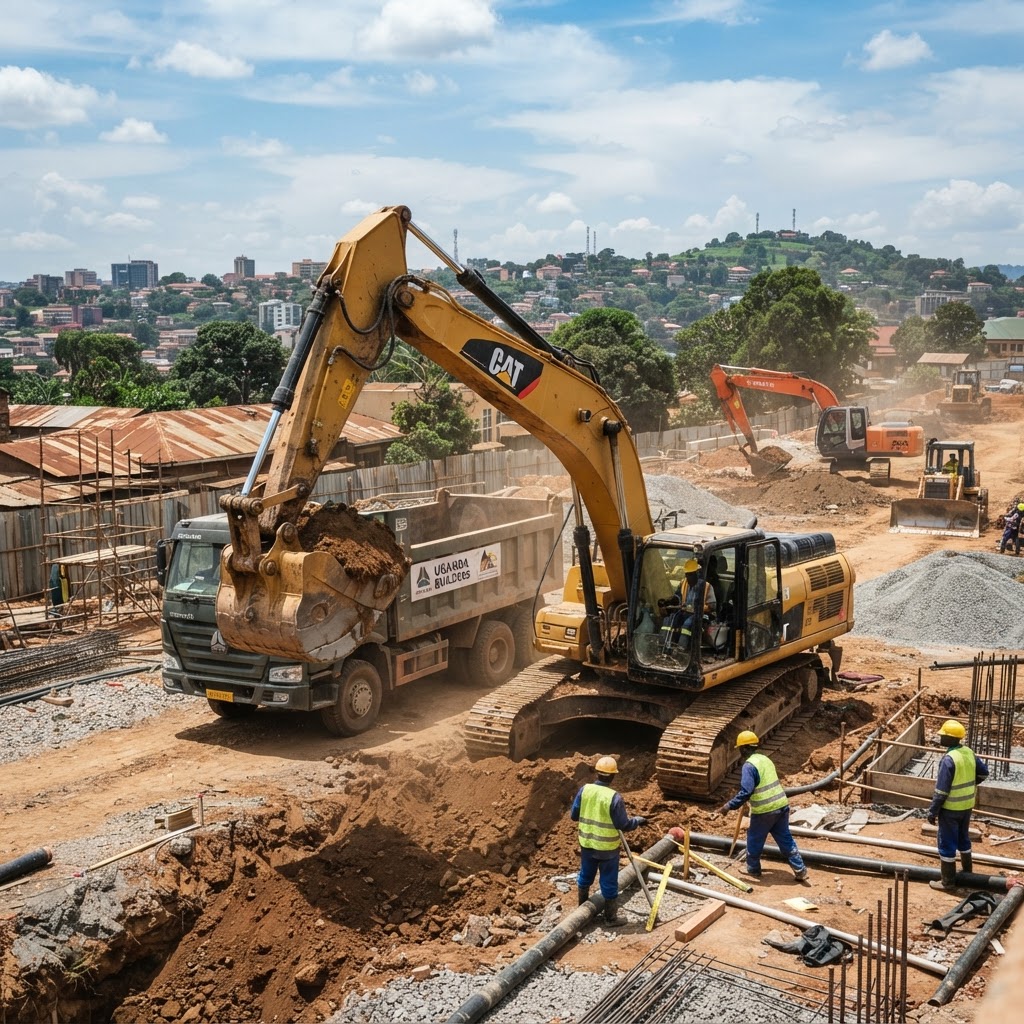
Before procuring equipment, stakeholders must conduct a thorough site analysis. Whether you are working on a dense urban plot in Kampala or a remote infrastructure project in the rural districts, the machinery needs differ significantly. Small-scale sites often benefit from versatile, compact machinery that can manoeuvre through tight spaces, while large-scale roadworks or industrial developments necessitate high-capacity plant equipment such as heavy-duty excavators, motor graders, and vibratory rollers.
Key Categories of Essential Construction Machinery
Building a robust equipment fleet or engaging the right plant hire service in Uganda involves understanding the core machinery categories:
- Earthmoving Equipment: Includes excavators, bulldozers, and backhoe loaders, essential for excavation, site clearance, and trenching.
- Lifting and Material Handling: Mobile cranes, telehandlers, and forklifts which are critical for the vertical movement of heavy building materials.
- Compaction Equipment: Plate compactors and rollers, vital for ensuring the structural integrity of foundations and road bases.
- Concrete Handling: Concrete mixers and pumps, which are indispensable for maintaining quality control in on-site casting.
Overcoming Challenges in Equipment Sourcing and Maintenance
The Ugandan construction market faces specific hurdles, including inconsistent maintenance schedules and the high cost of imported spare parts. To mitigate these risks, contractors should prioritise brands that offer local technical support and readily available aftermarket parts. Purchasing 'grey market' or substandard equipment may offer initial cost savings, but the long-term impact on project delays and repair costs often proves detrimental to the bottom line.
The Case for Preventive Maintenance
Preventive maintenance is the cornerstone of machinery longevity. In the tropical climate of Uganda, dust, moisture, and high temperatures can significantly accelerate the wear and tear of engines and hydraulic systems. Implementing a rigid maintenance schedule—covering daily fluid checks, air filter replacements, and lubrication—will prevent costly mechanical breakdowns during peak construction phases.
Training and Operator Proficiency
Technological advancement in machinery is meaningless without skilled operators. Many projects in Uganda suffer from reduced efficiency due to misuse of equipment. Investing in operator training programmes, particularly for sophisticated hydraulic systems and precision measurement equipment, ensures that you extract the maximum performance and safety potential from your machinery.
The Future of Equipment Hire in the Ugandan Marketplace
For many small to medium-sized enterprises, purchasing a full fleet is financially prohibitive. This has led to the growth of a dynamic equipment leasing market. Engaging reputable plant hire companies in Uganda allows contractors to access modern, high-spec machinery without the burden of long-term capital expenditure. However, when leasing, it is essential to vet the service provider for their maintenance standards and emergency breakdown response times.
Actionable Advice for Project Managers
If you are planning your next project, consider these steps to optimise your machinery strategy:
1. Assess your project lifecycle: Do you need this equipment for a short duration or a long-term build?
2. Evaluate the total cost of ownership, including fuel consumption, operator wages, and insurance.
3. Leverage local networks: Use digital platforms to connect with verified suppliers and plant hire services who can offer transparent pricing and reliable equipment specs.
As you plan your construction schedule, ensure you are supported by the best industry partners available. Whether you are looking to register your plant hire business, browse our directory of trusted equipment suppliers, or request a detailed project quotation for your upcoming development, the Uganda CIS platform is your dedicated partner in construction excellence. Visit our /register page to list your firm, explore our /suppliers section for quality equipment options, or submit an /enquiry today to streamline your construction procurement.
More Articles