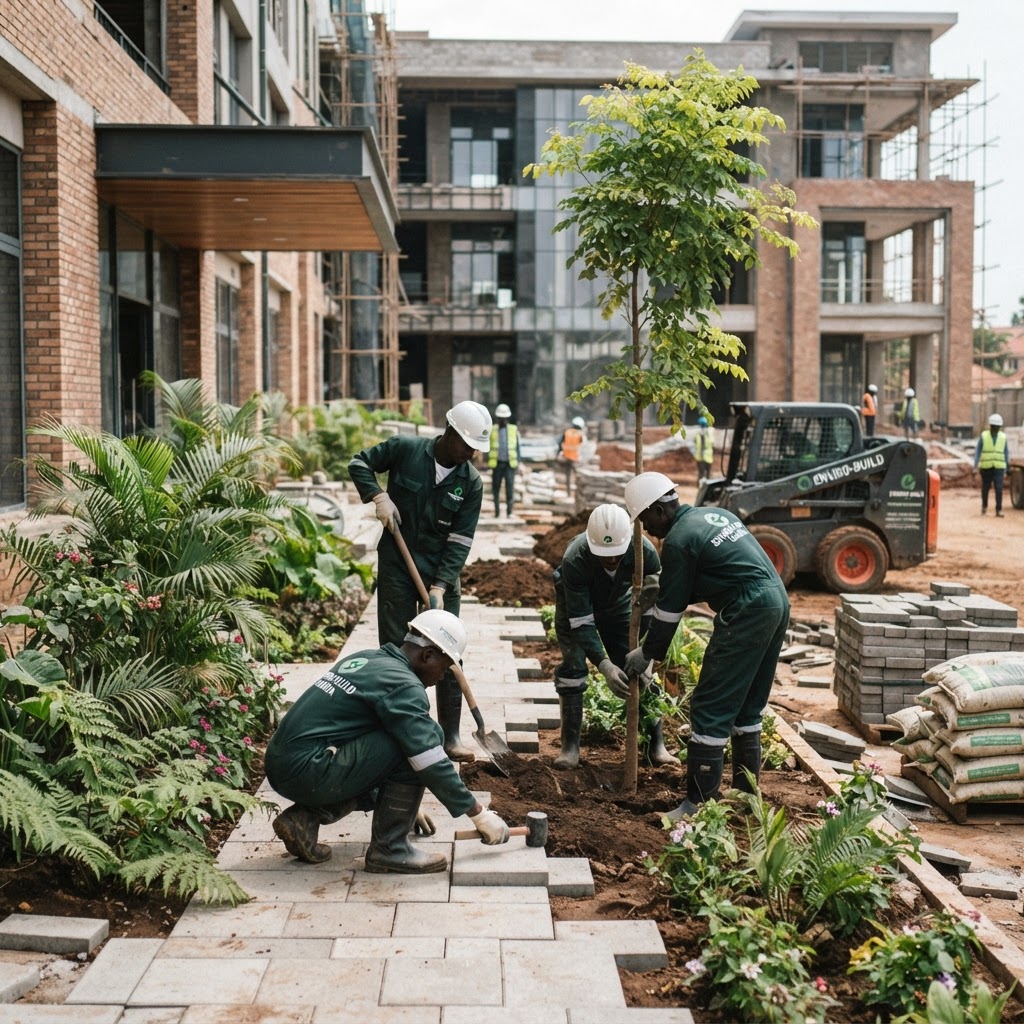
Elevating Interior Design Standards for Modern Ugandan Residential and Commercial Spaces

This guide explores the intersection of functional interior design and local construction realities, offering insights for property owners and industry professionals across Uganda.
The Evolution of Interior Design in the Ugandan Market
Interior design in Uganda has transitioned from a niche luxury to a fundamental component of property development. As the construction sector matures, architects, developers, and private homeowners are increasingly recognising that the value of a property is determined as much by its internal flow and finish as by its structural integrity. Whether you are developing commercial office space in Kampala or building a residential estate in the outskirts, integrating professional design principles is essential for long-term ROI.
Understanding Local Materiality and Context
Successful interior design in Uganda must balance international aesthetic trends with local climate and material availability. Uganda’s tropical climate demands designs that prioritise ventilation, light regulation, and the use of materials that do not retain excessive heat. Incorporating locally sourced materials—such as artisanal timber, stone finishes from local quarries, and terracotta accents—not only supports the local economy but also creates a distinct, authentic character that resonates with both local residents and diaspora investors.
The Role of Lighting and Ventilation
In the Ugandan context, passive design is paramount. Utilising large windows for natural light can significantly reduce energy costs, though this must be balanced with appropriate shading mechanisms to mitigate solar gain. High ceilings, a staple of traditional architecture, should be retained or adapted to facilitate cross-ventilation, reducing reliance on mechanical air conditioning units in commercial spaces.
Practical Strategies for Sustainable Design
For contractors and developers, interior design is often a budget-management exercise. The key is to focus on high-impact areas that define the user experience. Consider the following actionable strategies for your next project:
- Define Functional Zones: Open-plan layouts are popular, but they require careful spatial planning to delineate living, working, and relaxation zones without clutter.
- Durability First: In high-traffic areas, opt for ceramic or porcelain tiles that withstand Uganda’s dust and climate, rather than high-maintenance floorings that degrade quickly.
- Bespoke Carpentry: Engage local craftsmen for custom cabinetry. This ensures optimal use of space in smaller urban apartments and provides a unique finish that mass-produced imports cannot match.
- Colour Palettes: Use neutral bases for walls and floors, allowing for flexibility in adding personality through furniture and soft furnishings which are easier to update.
Collaborating for Success: The Professional Ecosystem
The success of an interior design project depends on the synergy between the architect, the interior designer, the supplier of materials, and the tradesmen executing the work. Disconnects in communication are the leading cause of budget overruns and timeline delays. Architects should involve interior designers at the early schematic design phase rather than treating them as decorators to be brought in after the shell is finished. Similarly, contractors must source high-quality finishes early in the procurement process to avoid last-minute compromises that diminish the final visual impact.
Selecting the Right Suppliers and Tradesmen
Quality control remains a challenge in the local market. When selecting suppliers for finishes—paint, tiles, lighting fixtures, or woodwork—prioritise those with proven track records for consistency. It is equally important to employ skilled tradesmen who understand the specific installation requirements of premium materials. Investing time in vetting your supply chain and workforce is the most reliable way to ensure the quality of your interior finishes.
Conclusion: Driving Value Through Design
Professional interior design is a powerful tool for increasing property value, enhancing occupant wellbeing, and creating spaces that stand the test of time. By aligning design choices with local climatic requirements, sourcing high-quality materials, and fostering collaboration across the construction value chain, you can deliver projects that set a new benchmark for excellence in the Ugandan construction industry. Whether you are an investor looking to lease out prime office space or a homeowner crafting your sanctuary, start your journey with the right partners.
Are you ready to elevate your construction project? Connect with the best professionals and suppliers across Uganda today. Visit our website to register your business at /register, browse our vetted network of local suppliers at /suppliers, or submit a request for a project quotation at /enquiry to get started.
More Articles