Essential Site Management Best Practices for Quality Construction in Uganda
Master the complexities of Ugandan construction sites with our expert guide on project management, material handling, and safety standards.
The Foundation of Success: Professional Site Management
In the rapidly evolving construction landscape of Uganda, the difference between a project that flourishes and one that falters often comes down to disciplined site management. Whether you are a lead contractor overseeing a high-rise in Kampala or a property owner supervising a residential build in the suburbs, implementing structured workflows is essential. Quality construction is not merely about sourcing the best building materials; it is about the systematic application of industry standards throughout the build cycle.
Prioritising Site Safety and Hazard Mitigation
Safety remains a paramount concern on construction sites across Uganda. Beyond meeting legal requirements, fostering a culture of safety protects your workforce and prevents costly project delays caused by accidents. Employers should ensure that all tradesmen and site workers are equipped with appropriate personal protective equipment (PPE). Furthermore, conducting daily tool-box talks to address site-specific hazards—such as open excavations, electrical hazards, or unstable scaffolding—is a low-cost, high-impact strategy to maintain site security.
Streamlining Material Logistics and Storage
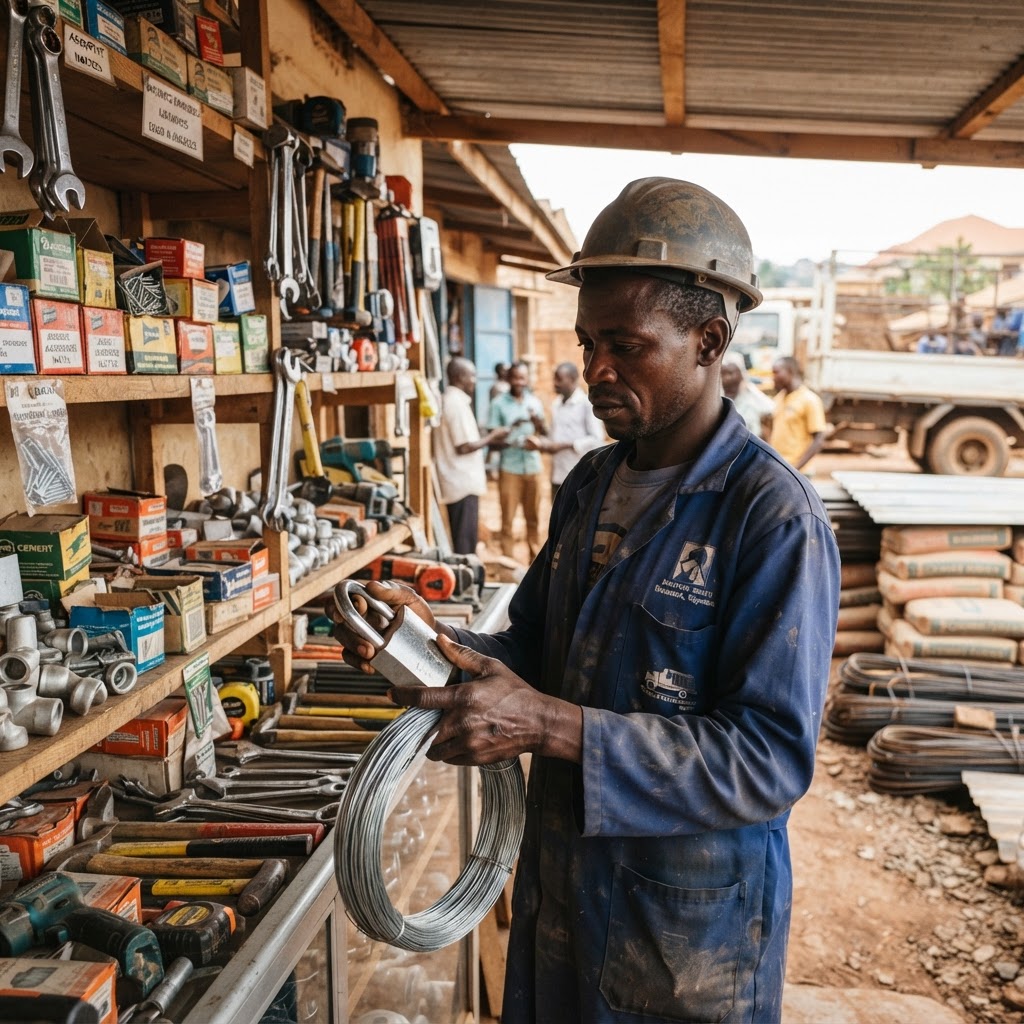
Effective procurement is only half the battle; managing materials on-site is equally critical. Improper storage leads to material degradation, theft, and unnecessary waste. For instance, storing cement in damp conditions or leaving steel reinforcement bars exposed to the elements can significantly compromise structural integrity. Establish a dedicated, secure, and moisture-controlled storage area on your site. Implement a 'first-in, first-out' (FIFO) inventory system to ensure that materials are used efficiently, reducing the risk of expiry or obsolescence.
Effective Communication Between Stakeholders
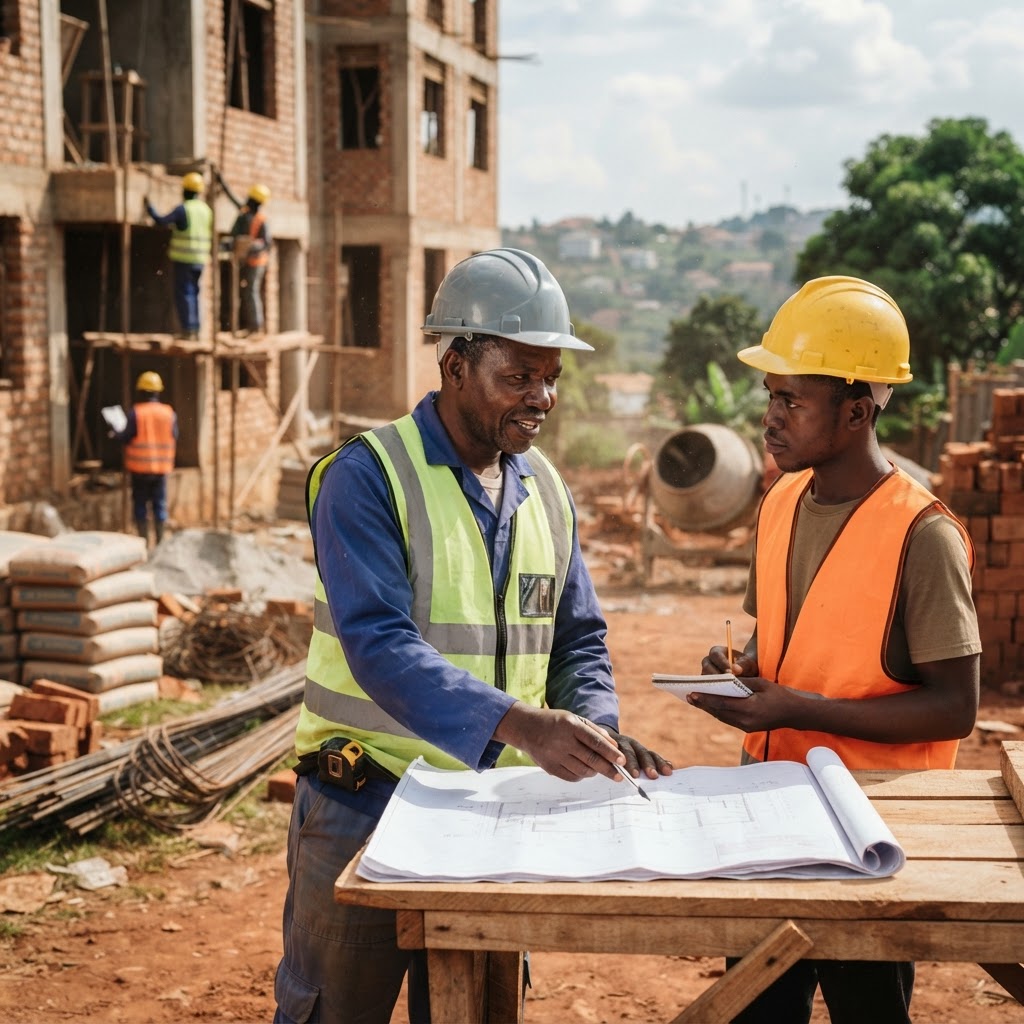
Construction in Uganda involves a diverse network of professionals, including architects, engineers, suppliers, and transporters. Clear, documented communication is the antidote to project ambiguity. Avoid verbal agreements; instead, ensure that all changes to designs, material specifications, or timelines are captured in writing. Regular site meetings attended by key project partners ensure that everyone is aligned with the project's milestones and quality expectations, preventing the 'silo effect' that often leads to errors.
The Role of Quality Control and Regular Audits
Quality control should not be an afterthought left for the final handover. Engineers and contractors must perform routine site inspections at key milestones, such as foundation casting, walling, and roofing stages. By identifying non-compliant work early, you can rectify errors before they become embedded, saving significant time and capital. Documenting these inspections with photography and detailed reports provides a valuable audit trail that protects the interests of property owners and developers alike.
Managing Transporters and Material Supply Chains
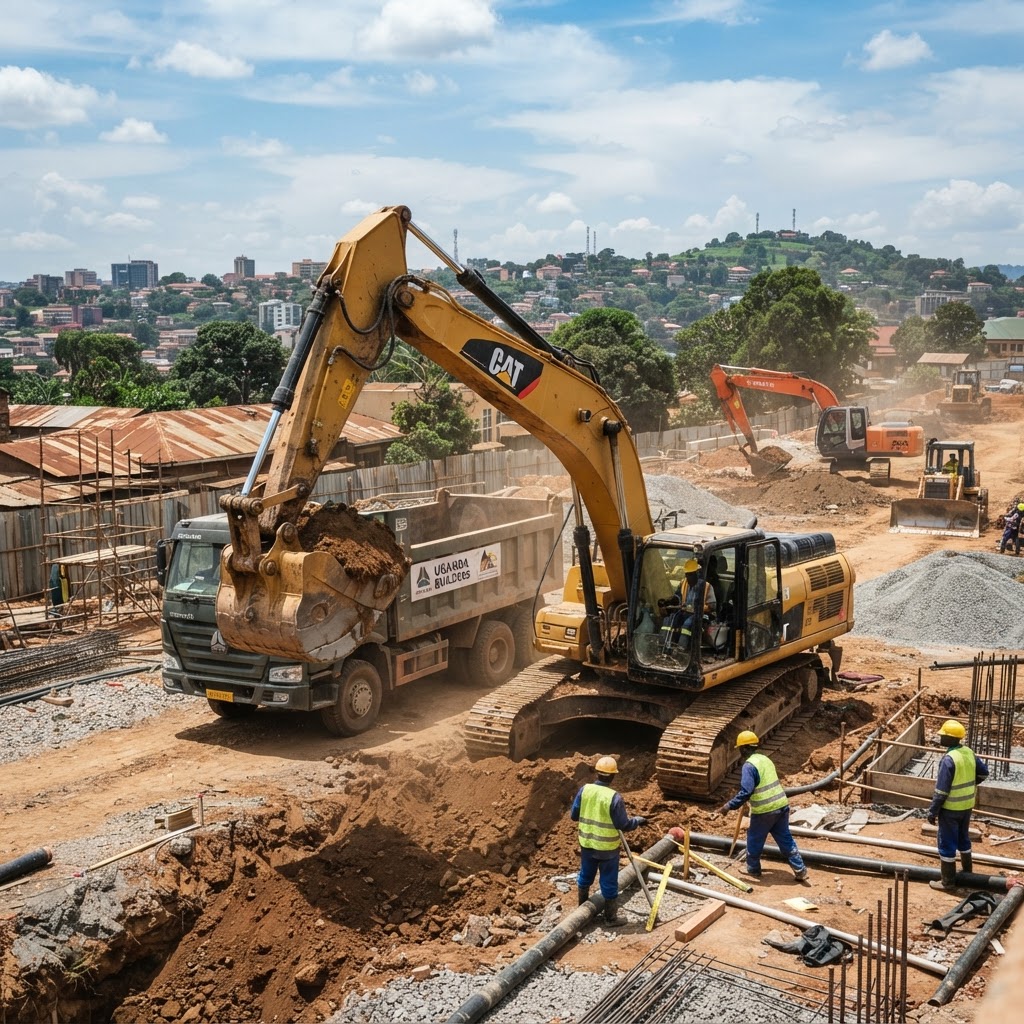
The logistics of transporting construction materials—from aggregates to specialized timber—often dictates the pace of a build. Establish reliable relationships with reputable transporters who understand the importance of timely delivery. Delays in delivery can stall site activity, leading to idle labor costs. Always verify the quality of materials upon arrival before signing off on deliveries; once offloaded, proving that materials were sub-standard becomes significantly more difficult.
Preparing for Environmental Challenges
Uganda’s climate presents unique challenges for construction, particularly regarding drainage and soil stability during the rainy seasons. Proactive site planning should include robust drainage solutions to prevent flooding of work areas and structural damage. Engaging with local geotechnical expertise to understand the specific soil conditions of your site is a recommended investment that prevents future settling or cracking in your structure.
Building a successful project requires coordination, vigilance, and the right partners. Whether you are seeking verified material suppliers, looking to connect with reliable tradesmen, or needing to source professional transport services, Uganda CIS is your primary resource for construction excellence. We invite you to streamline your operations today by visiting our platform. You can register your business at /register to increase your visibility, browse our extensive network of verified suppliers at /suppliers, or submit a request for project quotations at /enquiry to get your next phase moving with confidence.
More Articles