Emerging Real Estate Trends Transforming the Ugandan Construction Sector
Discover the pivotal shifts in Uganda's real estate market and how they are creating new opportunities for developers, suppliers, and property owners.
The Evolution of Ugandan Property Development
The Ugandan real estate landscape is undergoing a period of significant transformation. Driven by rapid urbanization, a growing middle class, and increased interest from diaspora investors, the market is shifting away from traditional construction models toward more integrated, efficient, and sustainable practices. For professionals within the construction industry, understanding these emerging trends is essential for remaining competitive and delivering value in an increasingly sophisticated market.
The Rise of Mixed-Use Developments
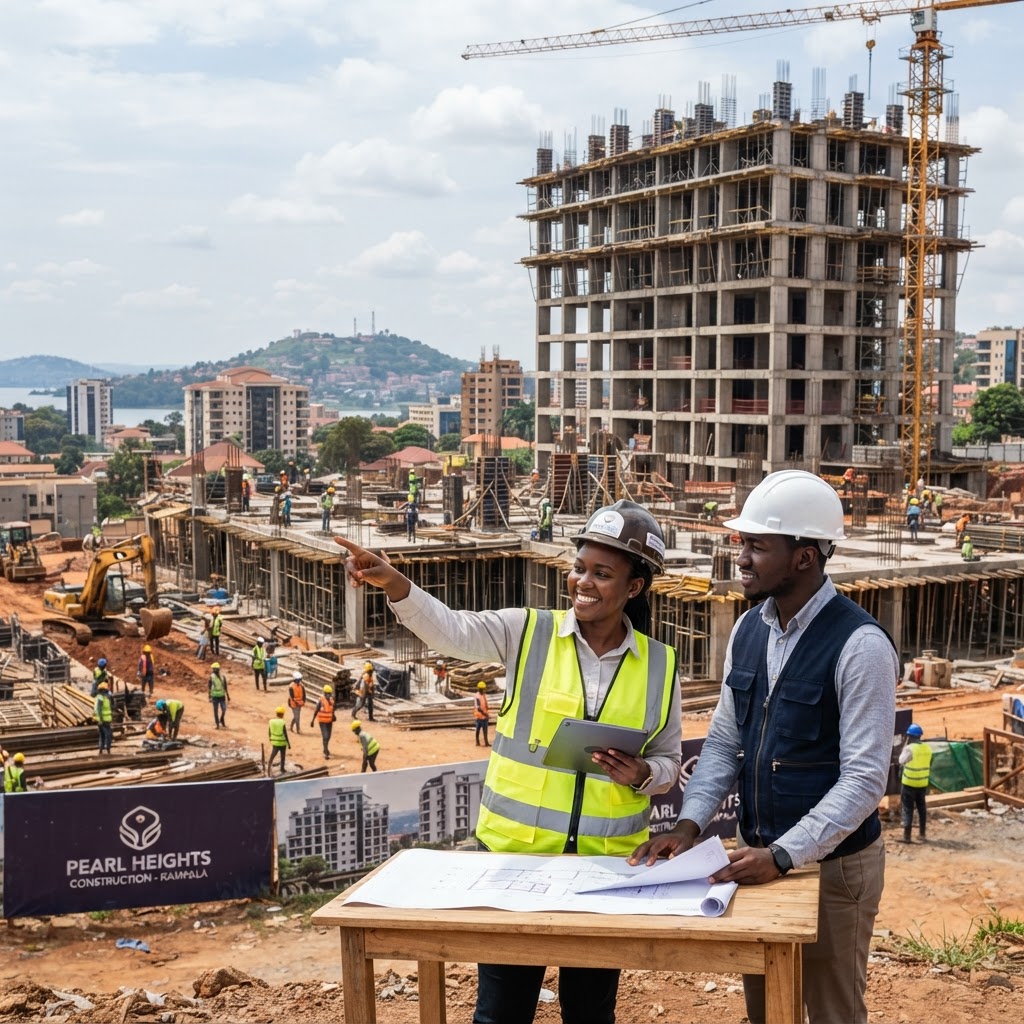
One of the most prominent trends in Kampala and its satellite towns is the shift toward mixed-use developments. Developers are moving away from single-purpose residential or commercial projects in favour of spaces that integrate living, working, and retail environments. This shift is not merely aesthetic; it is a response to the logistical challenges of urban congestion. By creating self-sustaining nodes, developers are adding long-term value to property investments.
Opportunities for Contractors and Suppliers
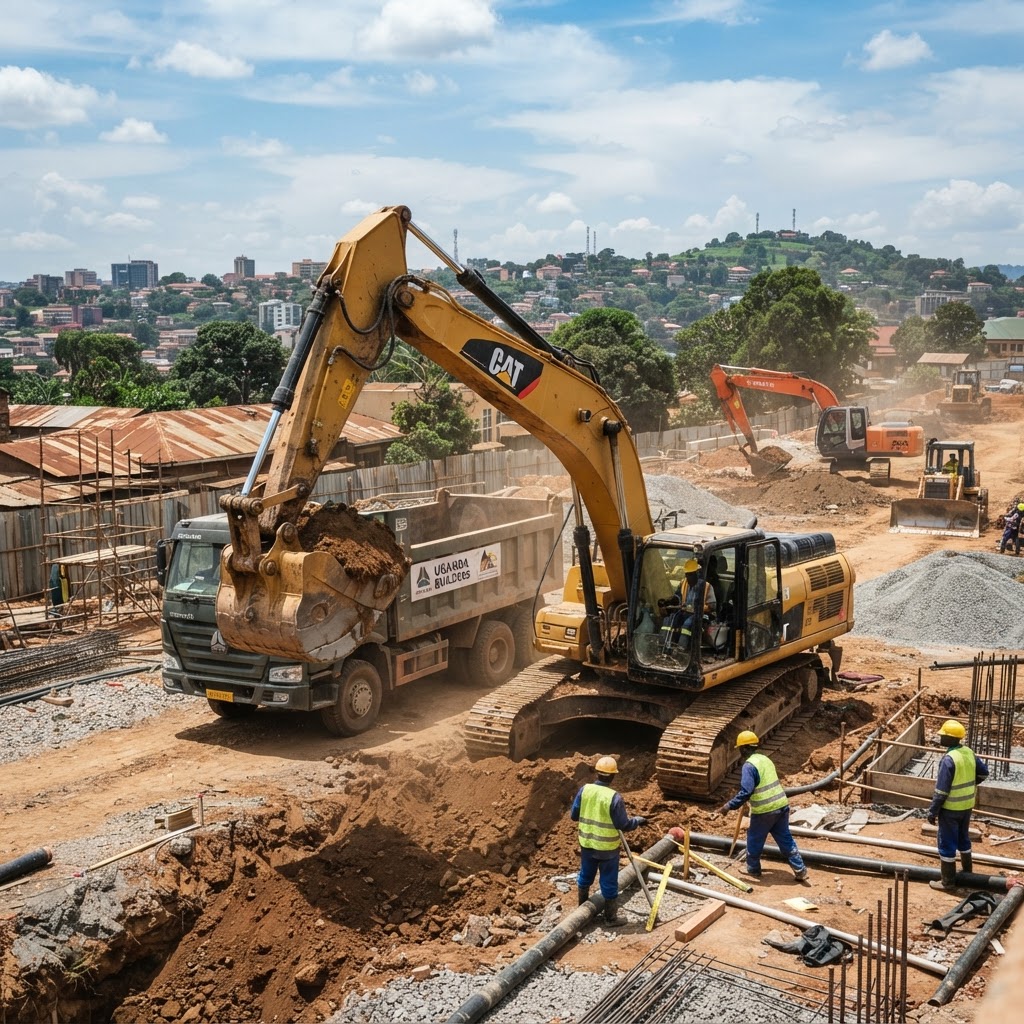
For contractors, this trend requires a more nuanced approach to project management. Large-scale, mixed-use projects demand a higher degree of coordination between structural engineers, HVAC specialists, and interior fit-out teams. Similarly, material suppliers are finding a stronger demand for high-grade finishes and advanced building materials that can support the intensive use common in these multipurpose buildings.
Prioritising Sustainability and Energy Efficiency
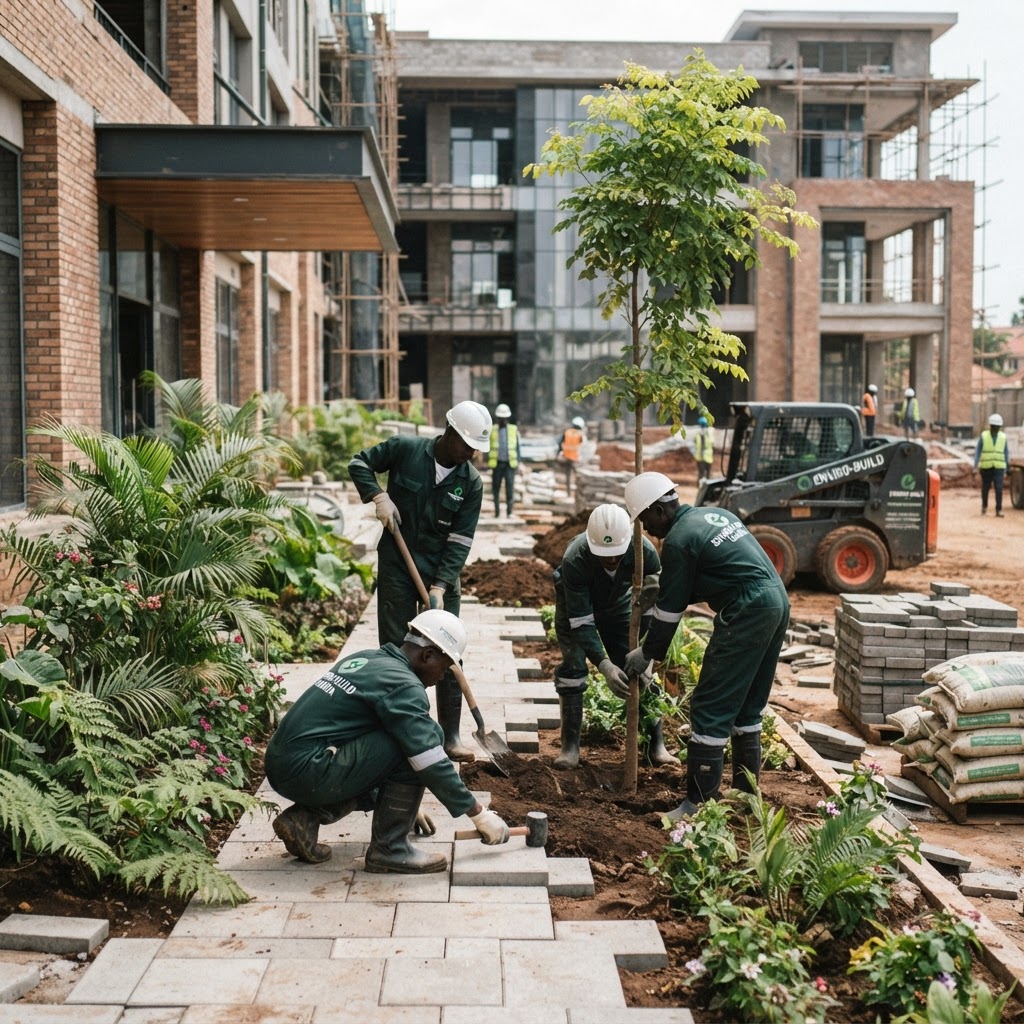
Sustainability is no longer a niche concept in Ugandan construction. With electricity costs rising and the global push for carbon-neutral development, property owners are increasingly demanding buildings that incorporate energy-efficient design. This includes the use of orientation-aware architecture to maximize natural lighting, the adoption of low-E glass, and the integration of solar-ready infrastructure.
- Use of locally sourced, low-carbon materials to reduce transport emissions.
- Implementation of rainwater harvesting systems at the design stage.
- Installation of energy-efficient lighting and cooling solutions.
- Increased usage of interlocking stabilised soil blocks (ISSB) as a cost-effective, sustainable alternative to burnt bricks.
Digital Transformation in Project Management
The traditional "manual" approach to construction management is being replaced by digital tools. Developers and architects are increasingly using Building Information Modelling (BIM) to simulate construction phases, identify potential clashes, and manage budgets with greater precision. This transparency is crucial for diaspora investors who need to monitor the progress of their projects remotely without the risk of mismanagement.
Actionable Advice for Industry Players
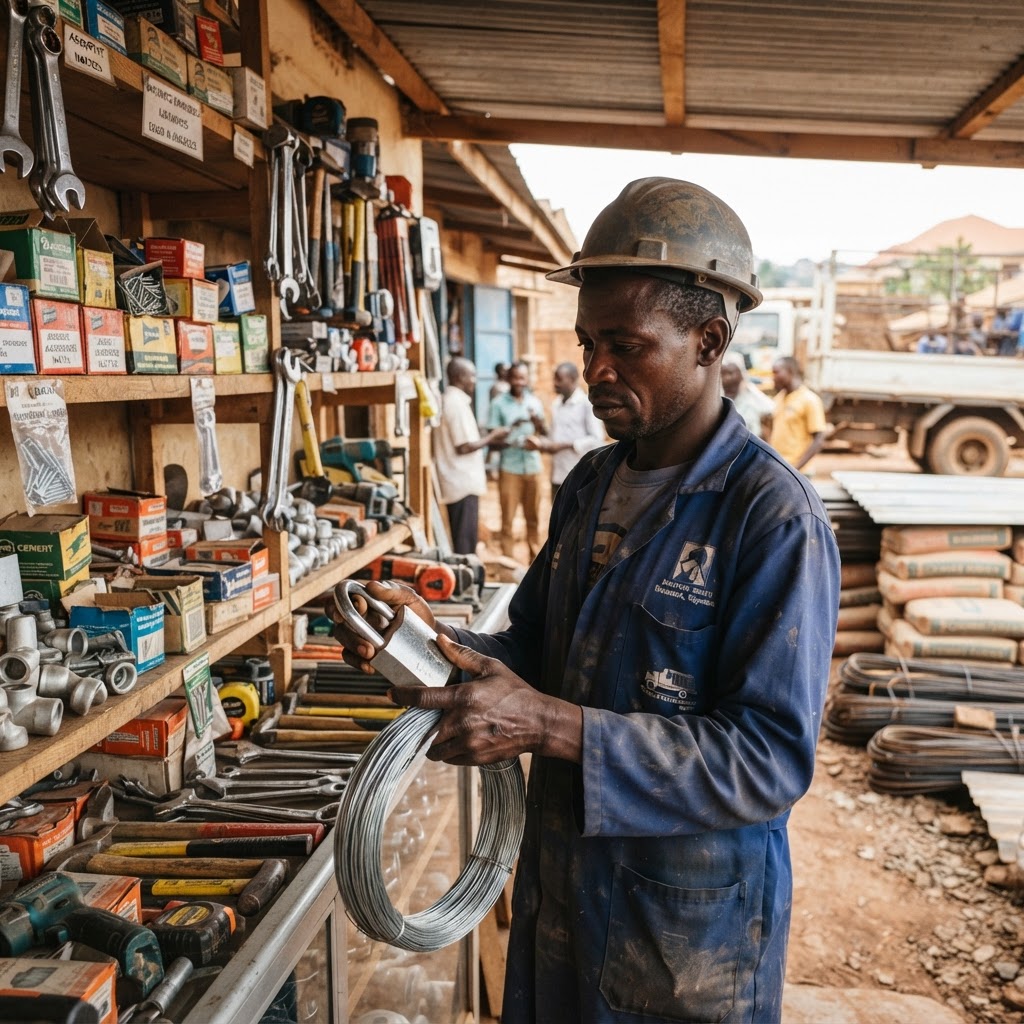
To stay relevant, professionals must embrace technology and sustainable practices. Contractors should invest in training their teams on modern, efficient building techniques, while suppliers should focus on transparency and stock availability. Engaging with reliable, verified networks is the most effective way to secure high-quality inputs and reduce project delays. Proactive planning, such as ordering materials well in advance through a reputable marketplace, is key to navigating the fluctuations in supply chain logistics.
The Growing Influence of Diaspora Investors
The Ugandan diaspora continues to be a driving force in the property market. These investors are often looking for "lock-and-leave" properties with low maintenance requirements and professional management structures. This has spurred a rise in gated communities and serviced apartments. For construction firms, this represents a unique opportunity to provide end-to-end services, including post-construction maintenance and facility management, which adds a recurring revenue stream to their business models.
Conclusion: Partnering for Success
The future of Uganda’s real estate sector lies in professionalisation, sustainability, and technological integration. As the industry evolves, the need for a centralised, reliable platform to connect developers, engineers, and suppliers has never been greater. Whether you are a tradesman seeking new contracts, a supplier looking to list your inventory, or a developer needing to source quotes for a project, Uganda CIS provides the infrastructure to facilitate these connections. Register your business at /register to increase your visibility, browse our extensive catalogue of materials at /suppliers, or request a project quotation at /enquiry to start building for the future today.
More Articles