A Professional Guide to Selecting and Sourcing Quality Bricks in Uganda
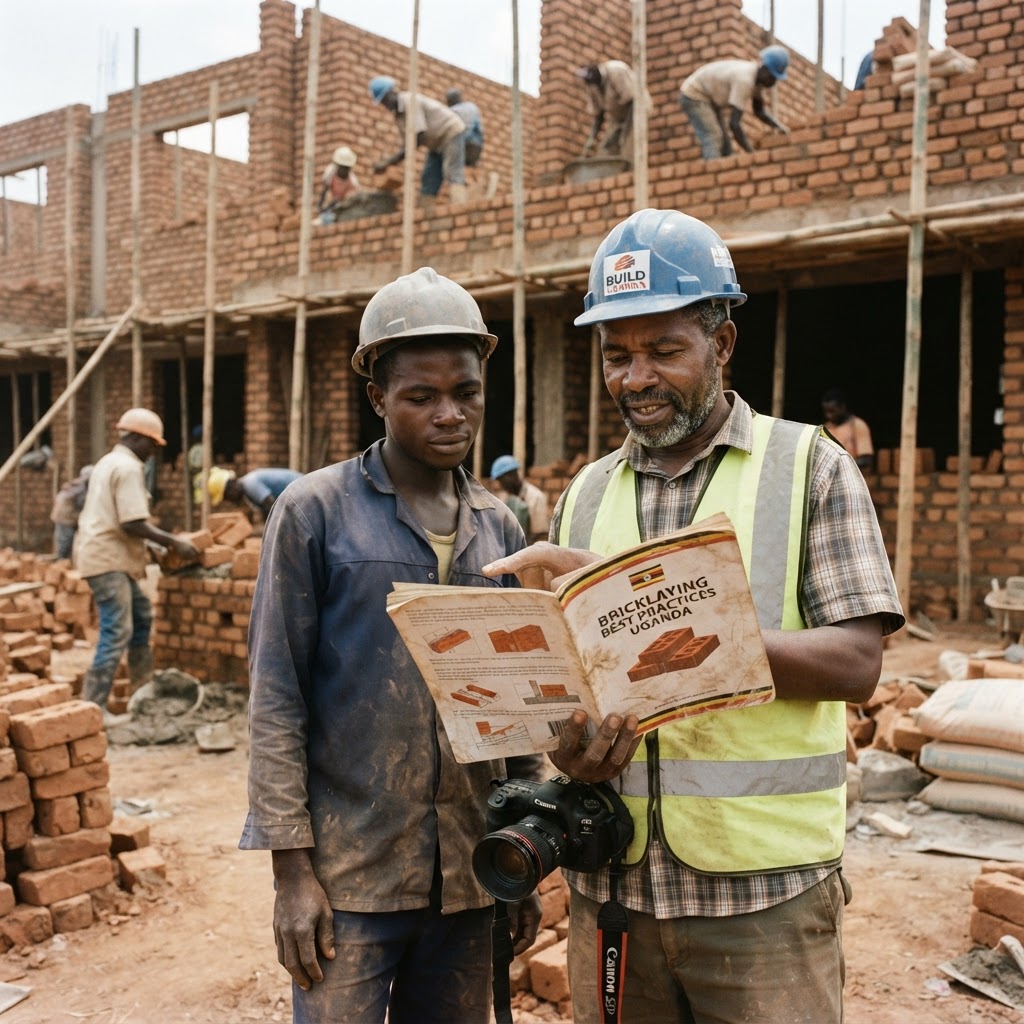
Choosing the right bricks is foundational to the structural integrity of any building in Uganda. This guide covers material selection, quality testing, and efficient sourcing.
Understanding the Importance of Brick Quality in Ugandan Construction
In the vibrant landscape of Uganda’s construction industry, the choice of walling material remains one of the most critical decisions an architect, engineer, or property owner will make. While various alternatives exist, the fired clay brick remains the backbone of residential and commercial structures across the country. However, the quality of bricks can vary significantly between local kilns and industrial manufacturers. Ensuring your project uses high-quality units is not merely an aesthetic choice; it is a fundamental requirement for the structural integrity, thermal performance, and longevity of your building.
Common Types of Bricks Used in Uganda
Before purchasing materials, it is essential to understand the different types of bricks available in the Ugandan market:
- Traditional Burnt Clay Bricks: These are the most common in Uganda. They are produced by stacking sun-dried bricks in a kiln and firing them using firewood or agricultural waste. Their quality depends heavily on the clay purity and the firing temperature.
- Compressed Stabilized Earth Blocks (CSEBs): Gaining popularity for their eco-friendly profile, these blocks are made by compressing a mixture of soil, a small amount of cement, and water using a machine. They often require no firing, reducing the environmental impact.
- Concrete Blocks: Preferred for large commercial structures and perimeter walls, these offer high compressive strength and uniformity, making them excellent for load-bearing walls.
Key Quality Indicators for Burnt Clay Bricks
To avoid structural failures, cracks, or excessive dampness in your project, you must vet your suppliers. When inspecting a batch of burnt clay bricks, apply the following field tests:
The Sound Test
A high-quality, well-fired brick should emit a sharp, metallic ringing sound when struck against another brick. If the sound is dull or thudding, the brick is likely under-fired, porous, and prone to water absorption.
The Water Absorption Test
Soak a brick in water for 24 hours. A good quality brick should not absorb more than 20 percent of its weight in water. Bricks that become excessively heavy or crumble after exposure to moisture will lead to rising damp and wall decay.
Dimensional Uniformity
Check the consistency of the shapes. Bricks that vary significantly in size are difficult to lay, requiring extra mortar and resulting in an uneven wall finish. Uniform bricks reduce labour costs and ensure a smoother surface for plastering.
Sourcing Strategy: Best Practices for Developers
Navigating the supply chain in Uganda requires a strategic approach. Whether you are building in Kampala or a remote district, follow these steps to secure quality materials:
- Bulk Sourcing: Always request samples before committing to a large order. Ensure that the samples are representative of the entire batch being delivered to your site.
- Supplier Verification: Use trusted platforms like Uganda CIS to verify suppliers. Reliable partners provide consistent quality and transparent delivery timelines.
- Logistics Planning: Bricks are fragile and heavy. Factor in transport costs and breakage rates. A rule of thumb is to order 5 to 10 percent more than your calculated requirement to account for on-site breakages.
- Storage on Site: Once delivered, store bricks on a dry, elevated surface, preferably under cover, to protect them from rainfall and ground moisture before they are laid.
The Role of Mortar and Workmanship
Even the best bricks will fail if the masonry work is poor. The sand-to-cement ratio in your mortar is vital. For standard residential projects in Uganda, a ratio of 1:4 or 1:5 is generally recommended for walling. Always ensure that the bricks are lightly dampened before laying, as dry bricks will suck the moisture out of the mortar too quickly, resulting in a weak, brittle bond that can lead to vertical cracks later.
Partnering for Construction Excellence
The success of your construction project rests on the reliability of your supply chain and the quality of your materials. By taking the time to source high-grade bricks and employing skilled tradesmen, you safeguard your investment for decades to come. Whether you are a property developer sourcing for a large site or a homeowner starting a small residential build, Uganda CIS is your essential partner in the industry. Visit us at /register to list your business, browse our verified directory of material suppliers at /suppliers, or submit your specific material requirements for a project quotation at /enquiry today.
More Articles