A Professional Guide to Selecting and Sourcing Steel in Uganda
This comprehensive guide explores the essential criteria for selecting, testing, and sourcing high-quality steel products for construction projects in Uganda.
Understanding the Vital Role of Steel in Ugandan Construction
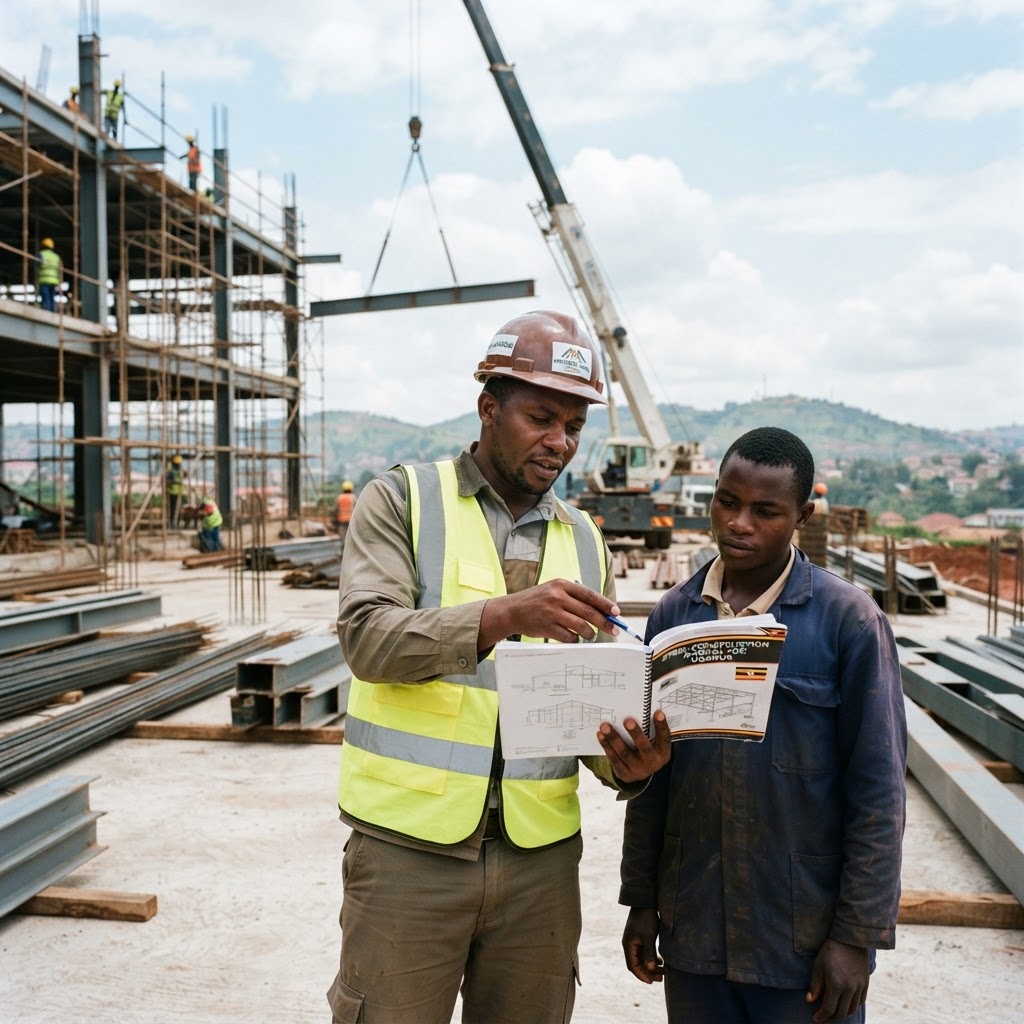
Steel serves as the backbone of modern construction in Uganda, from the foundations of high-rise commercial buildings in Kampala to the reinforcement of residential homes across the country. As the demand for robust infrastructure increases, understanding the technical specifications and quality standards of steel is no longer optional for contractors, engineers, and property developers. Selecting the wrong grade or sub-standard materials can result in catastrophic structural failure, leading to significant financial loss and risk to human life.
Categorising Steel for Structural Integrity
In the Ugandan market, construction steel is primarily categorised based on its yield strength, diameter, and chemical composition. The most common varieties include high-yield deformed bars, which are essential for concrete reinforcement due to their surface ribbing that enhances bonding strength.
The Importance of Yield Strength
When procuring steel, engineers must specify the required yield strength, typically measured in Megapascals (MPa). Common grades found in the market range from 460 MPa to 500 MPa. High-yield steel is preferred for structural elements like columns, beams, and slabs because it provides the necessary ductility and tensile strength to withstand seismic forces and heavy loads. Always request the manufacturer’s test certificate to ensure the product meets these specific structural requirements.
Diameter and Weight Considerations
Contractors often find that cost-cutting measures, such as using undersized steel rods, are tempting but dangerous. The structural integrity of a building relies on the precise steel diameter specified in the structural drawings. Furthermore, buyers should be wary of 'light' steel. In the local market, some products may meet nominal diameter standards but fail on weight-per-meter specifications, indicating thinner walls or lower density. Using a weight scale to verify the product against the standard weight table is a practical, essential step in quality assurance.
Sourcing and Quality Control in Uganda
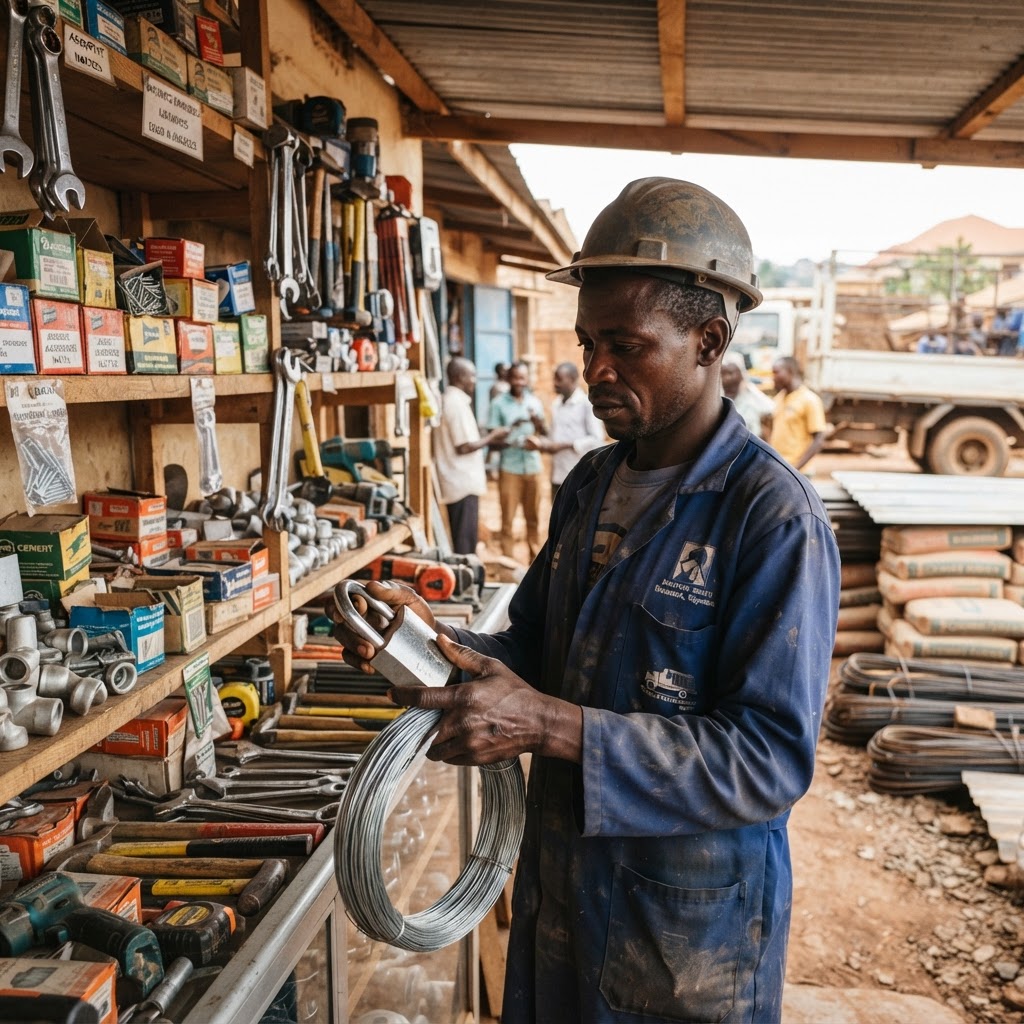
The Ugandan steel market is dynamic, featuring both imported products and output from local rolling mills. Navigating this marketplace requires diligence to avoid counterfeit materials that lack proper certification.
Vetting Suppliers and Manufacturers
Not all steel is created equal. It is highly recommended that developers source from reputable manufacturers who adhere to the Uganda National Bureau of Standards (UNBS) guidelines. Before finalising a bulk purchase, check for the manufacturer’s branding marks on the physical bars. Authentic high-quality steel will often have embossed logos or specific patterns that identify its origin and grade.
On-Site Testing Procedures
Even with reputable suppliers, site managers should implement basic verification protocols. This includes:
- Visual inspections for surface rust that could indicate poor storage conditions.
- Measuring the actual diameter with vernier calipers to ensure consistency.
- Performing a simple bend test on sample bars to check for brittle fractures.
Strategic Logistics for Material Delivery
Once you have identified the right steel, getting it to your site efficiently is the next hurdle. Transporting steel requires specialised equipment to prevent bending or structural damage during transit. For projects in remote areas, ensure that your transporters are experienced in handling heavy metals and that materials are stored on raised platforms upon arrival to prevent ground moisture from inducing premature corrosion.
Empowering Your Construction Journey
Building a successful project requires access to reliable partners and transparent information. Whether you are a property owner sourcing materials, a contractor looking for certified suppliers, or a developer seeking technical support, Uganda CIS is your dedicated platform for excellence. We invite you to register your business at /register, browse our verified list of reliable building material suppliers at /suppliers, or request a project quotation today at /enquiry to ensure your next construction project is built on a foundation of quality and professionalism.
More Articles