Maximising Water Security Through Efficient Harvesting Systems in Ugandan Construction
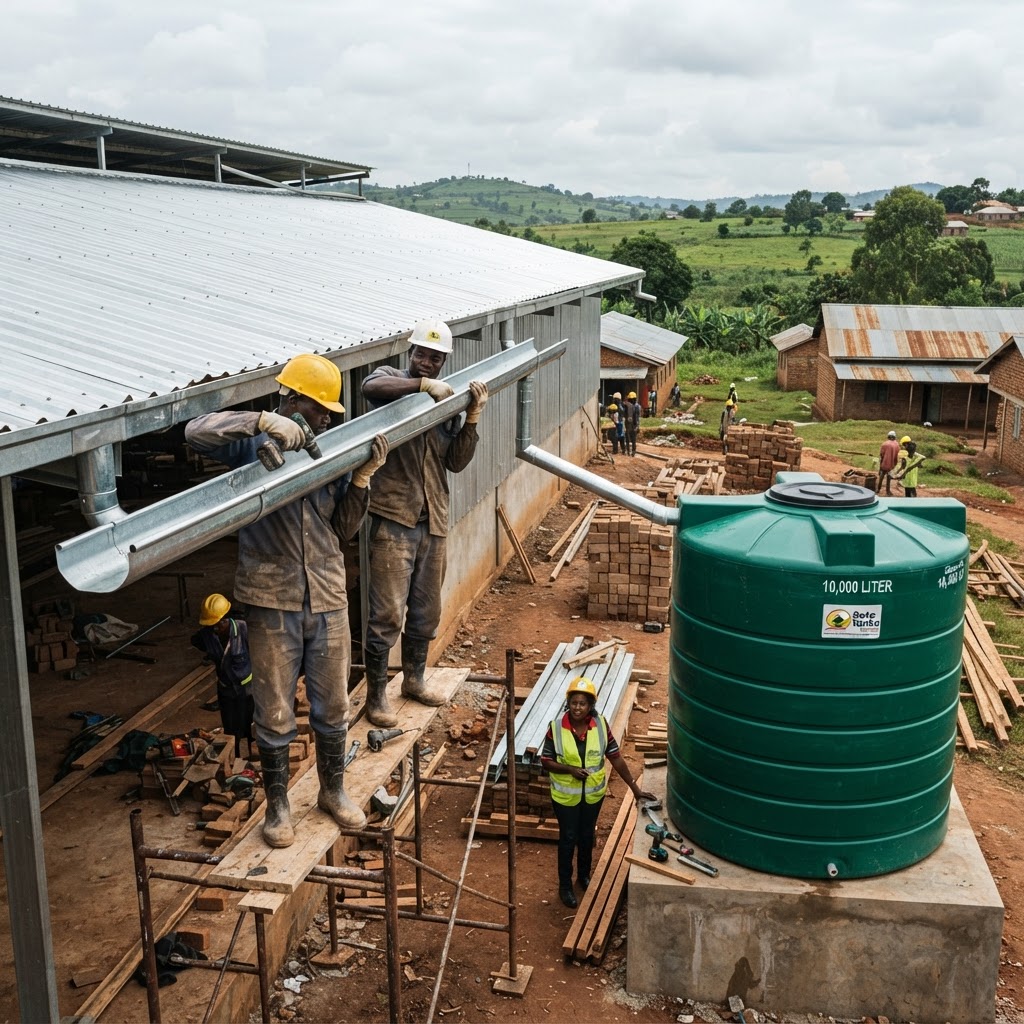
As water scarcity challenges grow, incorporating rainwater harvesting into residential and commercial designs is becoming a critical priority for Uganda's construction sector.
The Vital Role of Water Harvesting in Uganda's Infrastructure
As urbanisation accelerates across Kampala and surrounding districts, the pressure on municipal water infrastructure has reached critical levels. For property developers, contractors, and engineers, water security is no longer an optional feature but a core component of sustainable building design. Rainwater harvesting provides a pragmatic, cost-effective solution to mitigate supply inconsistencies while lowering operational costs for property owners.
Why Harvesting Matters for Modern Developments
Uganda experiences reliable bimodal rainfall patterns, yet millions of litres of potential water go to waste every season due to inadequate collection systems. By integrating harvesting infrastructure during the initial construction phase, developers can provide long-term value to tenants and reduce reliance on expensive or unreliable utility connections. Beyond cost savings, these systems play a pivotal role in storm water management, reducing runoff and preventing erosion around foundation sites.
Designing Effective Harvesting Systems
An efficient water harvesting system is more than just a gutter and a plastic tank; it requires precise engineering to ensure water quality and system longevity. Whether you are building a commercial warehouse or a residential block, consider these fundamental components:
- Catchment Surfaces: Roof materials must be non-toxic and kept clean. In Uganda, corrugated iron sheets remain the standard, but ensure they are free from lead-based paints or debris.
- Conveyance Systems: Gutters and downpipes must be sized correctly based on local rainfall intensity to prevent overflow.
- Filtration and First-Flush Diversion: Implementing a first-flush diverter is essential. This device prevents the first few litres of rainwater—which often contain dust, bird droppings, and debris—from entering the storage tank.
- Storage Tanks: Depending on the scale, options range from high-density polyethylene (HDPE) tanks to underground masonry cisterns. Underground tanks are excellent for space-constrained urban plots.
- Distribution: Gravity-fed systems are the most sustainable, but many larger projects may require pressure pumps, which should ideally be powered by solar energy to maintain off-grid independence.
Choosing the Right Materials and Expertise
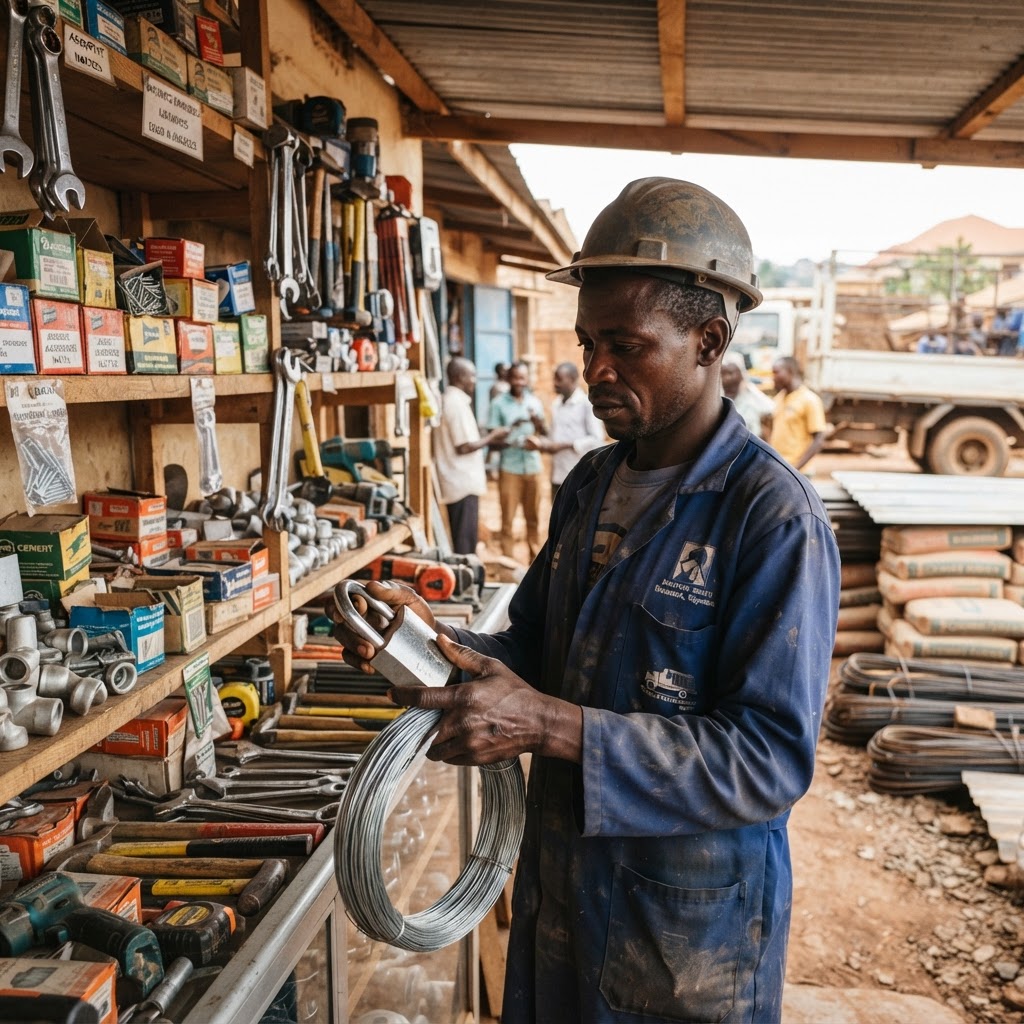
The success of a harvesting project relies heavily on the quality of materials sourced and the expertise of the tradesmen involved. Leaking gutters or poorly sealed joints can lead to structural water damage, which is a common issue in many local buildings. Architects and engineers must work closely with reliable hardware suppliers to ensure the use of UV-resistant piping and durable collection components that can withstand Uganda's tropical climate.
The Long-Term Economic Advantage
For investors and diaspora clients looking at property development in Uganda, sustainable features like water harvesting significantly enhance property valuation. Tenants are increasingly seeking buildings that offer resilience against water shortages. Furthermore, by reducing the demand on local water grids, developers can often obtain necessary environmental permits more easily and align their projects with growing green building standards in East Africa.
Actionable Tips for Your Next Project
Start your planning by conducting a simple volume calculation: multiply the roof area by the average annual rainfall for your specific region, accounting for a run-off coefficient. This data will guide your storage capacity requirements. Always consult with certified civil engineers or specialist tradesmen who have a proven track record in installation. Avoid cutting corners on filtration; the cost of maintaining a clean water system is negligible compared to the expense of treating contaminated water or replacing clogged pumps.
Connect with the Experts on Uganda CIS
Whether you are a developer looking for premium guttering suppliers, an engineer seeking specialised project contractors, or a property owner ready to upgrade your building's infrastructure, Uganda CIS is your primary marketplace. We connect you with verified local tradesmen and trusted hardware suppliers ready to support your next project. Register your business today at uganda-cis.com/register to access our professional network, browse our extensive list of vetted suppliers at uganda-cis.com/suppliers, or submit an enquiry at uganda-cis.com/enquiry to get competitive quotations for your building materials and site requirements.
More Articles