Embracing Sustainable Architecture and Green Building Practices in Uganda
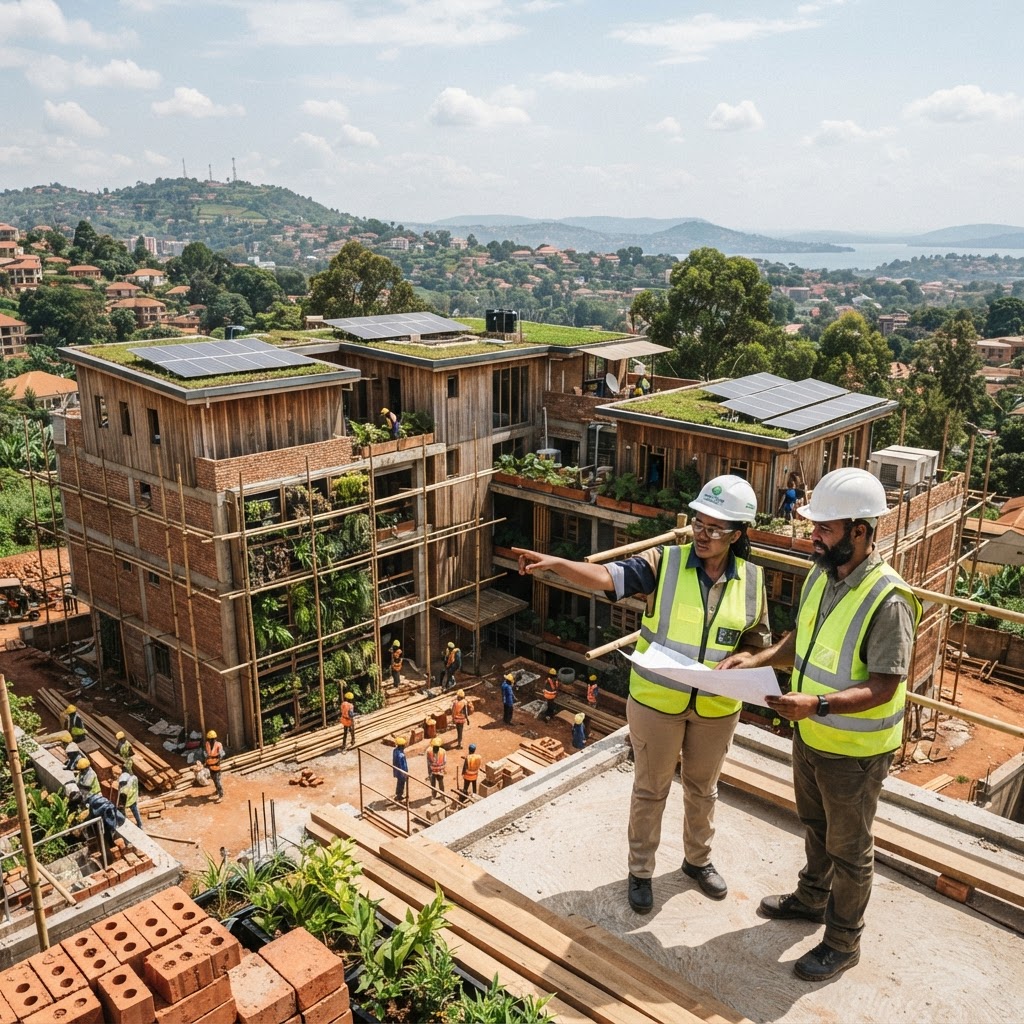
Discover the shift towards sustainable construction in Uganda and learn how integrating green building practices can enhance project efficiency and value.
The Emergence of Sustainable Construction in Uganda
As Uganda continues its rapid pace of urbanisation and infrastructure development, the construction industry faces a critical juncture. The traditional methods of building, while functional, often ignore the long-term impacts on energy consumption, resource depletion, and climate resilience. Embracing green building—the practice of creating structures that are environmentally responsible and resource-efficient throughout their life cycle—is no longer a luxury but a necessity for architects, developers, and property owners in the Pearl of Africa.
Understanding the Benefits of Green Building
Green building goes beyond simply planting trees around a property. It involves the integration of high-performance materials, energy-efficient designs, and water-saving technologies. For the Ugandan investor, the benefits are multi-faceted:
- Operational Cost Savings: By utilising passive cooling techniques and energy-efficient lighting, property owners can significantly reduce monthly utility bills.
- Increased Property Value: Modern tenants and diaspora investors are increasingly seeking environmentally conscious properties, which command higher rental yields and resale values.
- Climate Resilience: Incorporating sustainable design helps buildings withstand the specific climatic challenges of the region, such as heavy rainfall and increasing heatwaves.
Practical Strategies for Sustainable Development
1. Prioritising Sustainable Building Materials
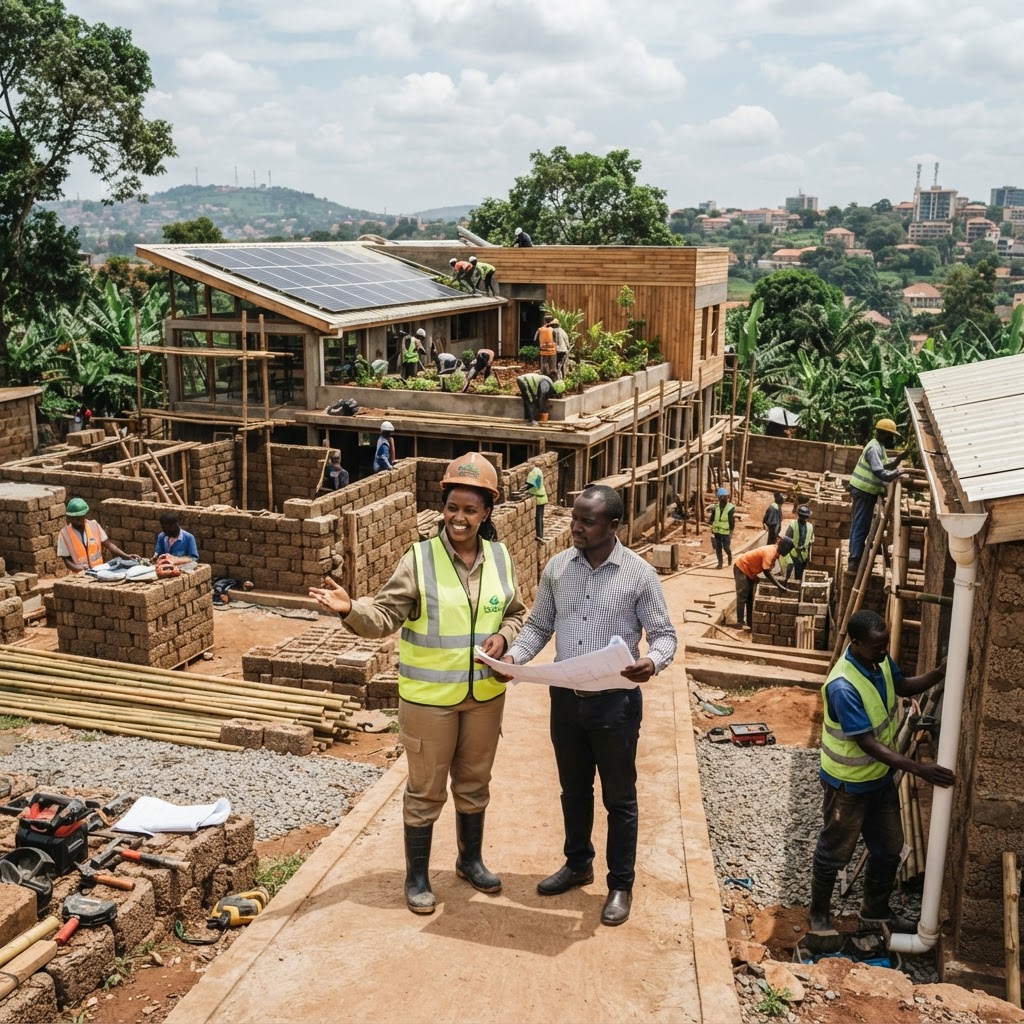
Sourcing locally produced, sustainable materials is a primary step. By reducing the carbon footprint associated with transporting heavy goods, developers can support local suppliers while ensuring quality. Consider alternatives to standard materials, such as interlocking stabilised soil blocks (ISSB), which offer thermal comfort and lower production energy compared to burnt bricks.
2. Passive Cooling and Natural Ventilation
Uganda’s tropical climate demands designs that prioritise airflow. Architects and engineers should focus on building orientation to maximise cross-ventilation. High ceilings, wide eaves, and strategically placed windows reduce the reliance on mechanical air conditioning, which is a major energy consumer in commercial office buildings.
3. Water Harvesting and Management
Water scarcity remains a concern in many developing urban centres. Integrating robust rainwater harvesting systems into new residential and commercial designs allows for the collection of water for gardening, sanitation, and laundry, significantly easing the pressure on the municipal water supply.
Overcoming Barriers to Green Construction
One of the common misconceptions in the industry is that green building is inherently more expensive. While initial procurement costs for certain energy-efficient hardware might be higher, the return on investment through decreased maintenance and utility costs is realised within a few years. It is essential for contractors and developers to shift their focus from the lowest initial tender cost to the lowest 'whole-of-life' cost. Furthermore, engaging professional architects who understand bioclimatic design is the best way to ensure that sustainable choices are baked into the architectural plans from day one.
Building a Greener Future Together
The transition to sustainable architecture requires a collaborative effort from every stakeholder in the construction value chain. Whether you are a supplier providing eco-friendly materials, a contractor implementing energy-efficient systems, or an investor seeking sustainable development opportunities, your participation is vital. Uganda CIS provides the platform to connect with industry leaders and access the resources necessary to bring your green projects to life.
We encourage all industry professionals to participate in this sustainable shift. Visit uganda-cis.com/register to register your business today and showcase your commitment to quality. If you are a property owner looking for sustainable solutions, feel free to browse our verified list of suppliers at uganda-cis.com/suppliers or request a project quotation for your upcoming development at uganda-cis.com/enquiry. Together, let us build a more resilient and efficient Ugandan construction landscape.
More Articles