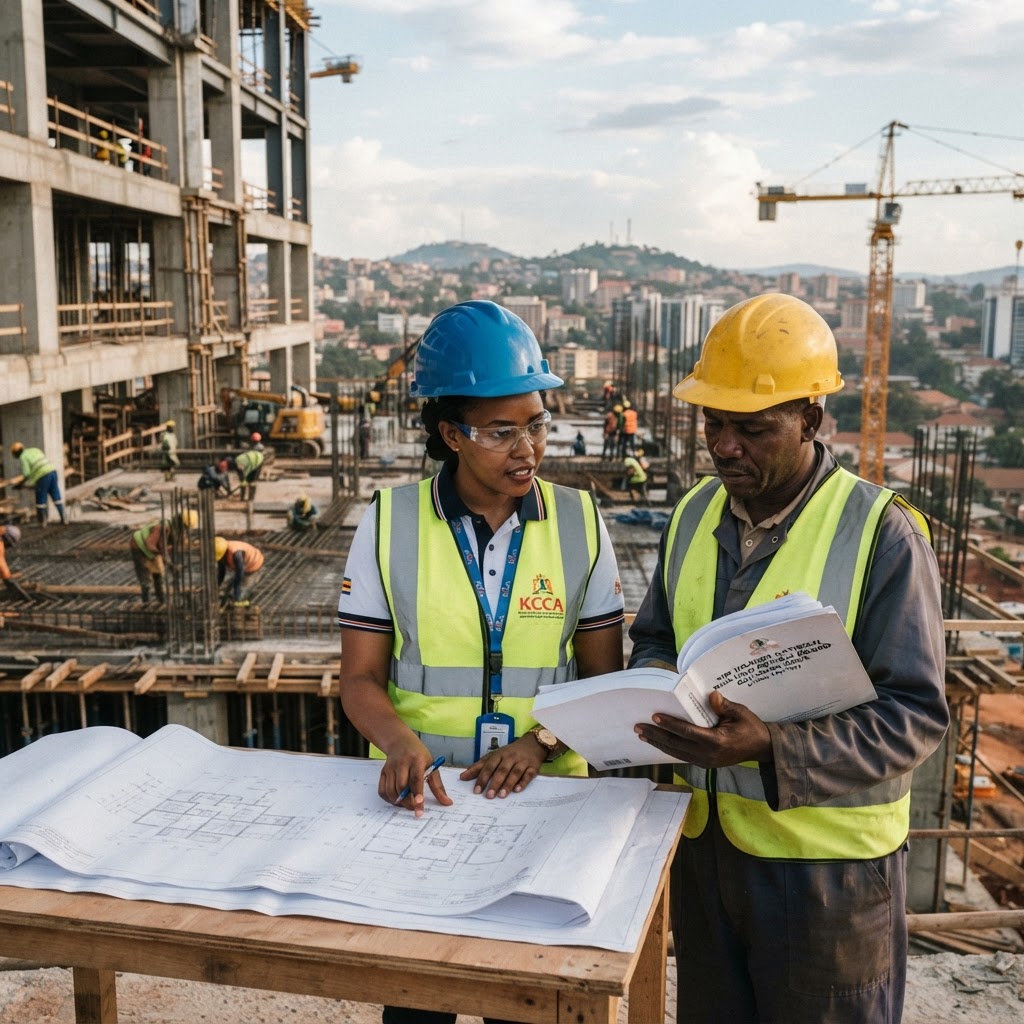
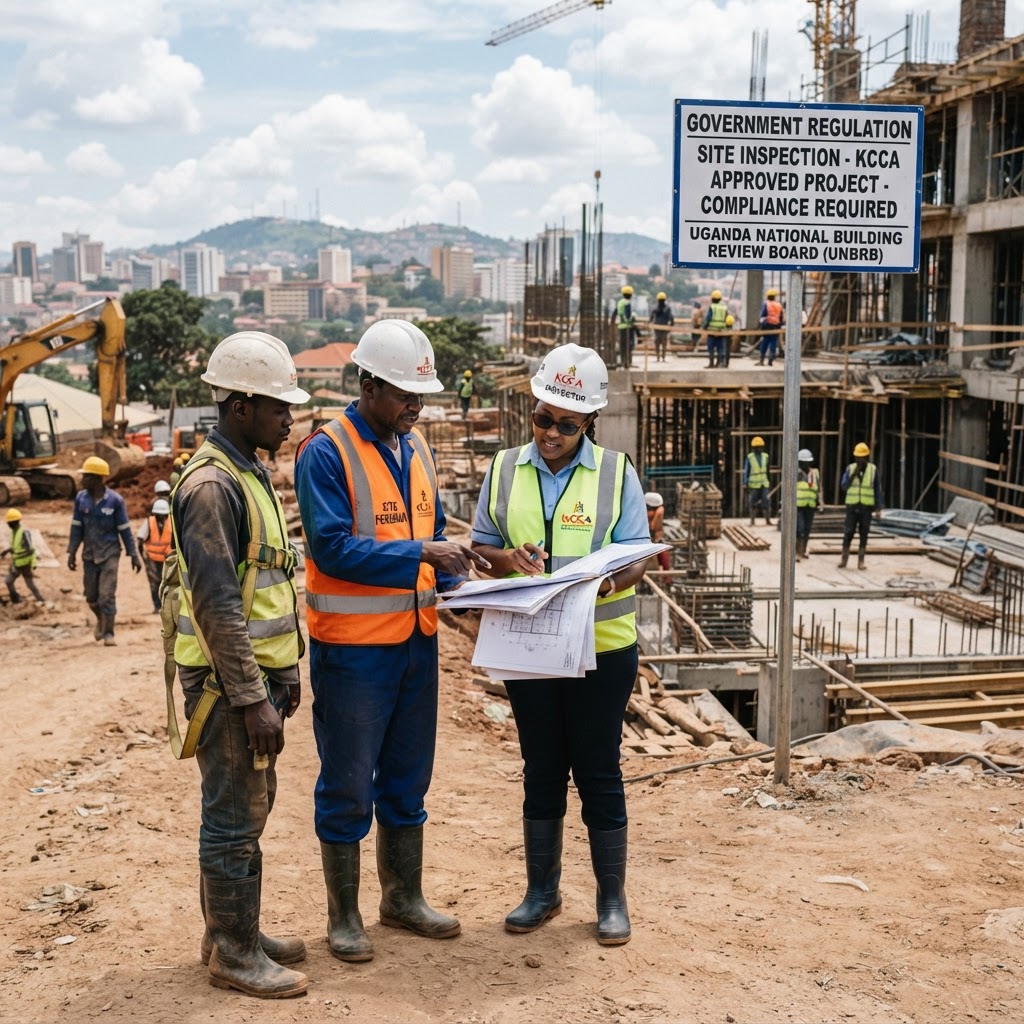
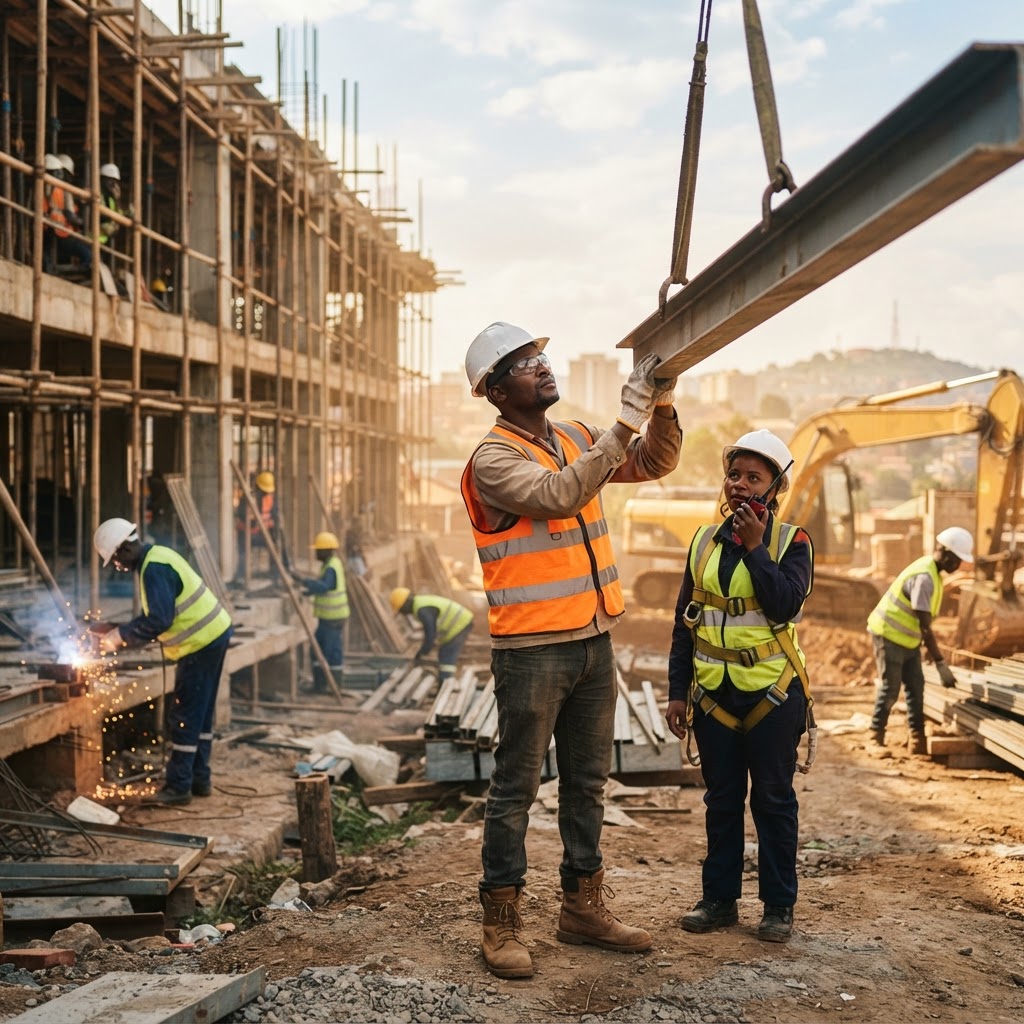
Building for the Future: Implementing Environmental Sustainability in Ugandan Construction
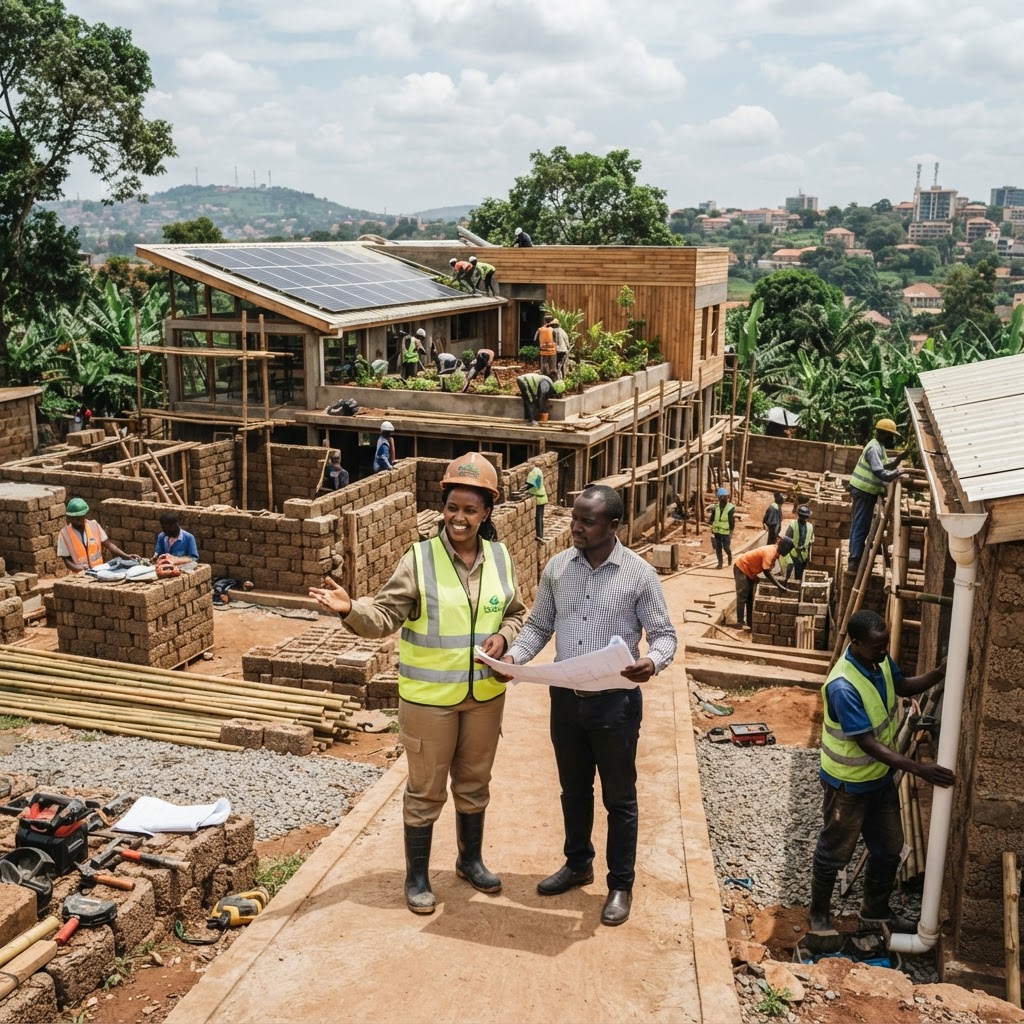
This article explores practical strategies for integrating environmental sustainability into Uganda's construction sector to ensure long-term project viability.
The Imperative of Green Construction in Uganda
As Uganda continues to experience rapid urbanisation and infrastructure development, the construction sector stands at a critical crossroads. While the demand for new residential, commercial, and industrial properties is surging, there is an urgent need to shift towards environmental sustainability. Adopting green building practices is no longer a luxury; it is a necessity for protecting our natural resources, improving energy efficiency, and ensuring the long-term resilience of our built environment.
The Economic Case for Sustainable Building
Many developers and property owners in Uganda often perceive sustainable construction as a cost-prohibitive endeavour. However, when viewed through the lens of a project lifecycle, sustainable practices offer significant long-term savings. Energy-efficient designs, the use of locally sourced materials, and improved water management systems drastically reduce operational expenditure. For diaspora investors and local developers alike, a green-certified building offers better market value, lower utility bills, and a smaller carbon footprint.
Actionable Strategies for Sustainable Development
1. Prioritising Locally Sourced Materials
The carbon footprint of a building is heavily influenced by the logistics of material procurement. By sourcing materials such as clay bricks, timber, and stone from local suppliers, contractors can significantly decrease the transportation-related emissions. Uganda boasts a wealth of raw materials that are often more suited to our climate than imported alternatives. When you browse suppliers on our platform, look for partners who specialise in locally manufactured, low-energy products.
2. Incorporating Passive Design Principles
Passive design involves orienting buildings to maximise natural light and ventilation, which reduces the dependence on electrical lighting and mechanical air conditioning. Architects and engineers in Uganda should focus on:
- Strategic building orientation to minimise heat gain during the hottest parts of the day.
- Utilising natural cross-ventilation through clever window placement and floor planning.
- Installing thermal mass materials that absorb heat during the day and release it at night.
- Integrating roof overhangs and shading devices to protect building envelopes from intense equatorial sun.
3. Water Management and Conservation
Water scarcity remains a pressing concern in several regions of Uganda. Construction sites can implement effective water conservation by adopting rainwater harvesting systems and greywater recycling for landscaping and sanitation. These systems are relatively inexpensive to install during the foundation phase and provide an invaluable hedge against utility shortages.
4. Managing Construction Waste
Waste management is often an afterthought on many Ugandan construction sites. By implementing a strict waste segregation policy, contractors can salvage and recycle materials such as steel offcuts, timber, and concrete debris. Encouraging a circular economy approach—whereby materials are repurposed rather than discarded—helps reduce the volume of waste sent to local landfills and minimises site clean-up costs.
The Role of Technology and Digital Tools
Technology plays a pivotal role in tracking sustainability metrics. Using project management platforms allows stakeholders to monitor procurement patterns, reduce material wastage, and improve logistics efficiency. By digitising the supply chain, stakeholders can ensure that they are sourcing from vendors who adhere to ethical and environmentally conscious manufacturing processes. Whether you are an engineer or a property developer, leveraging digital market intelligence is key to making informed, sustainable choices.
Moving Forward Together
Sustainability in the Ugandan construction industry requires a collective effort from architects, contractors, transporters, and investors. By making conscious decisions today, we can build a future that respects our environment while meeting the infrastructure needs of our growing nation. We encourage all industry professionals to take a proactive step toward greener operations.
Are you ready to commit to more sustainable construction practices? Join the Uganda CIS community today to connect with responsible suppliers and expert tradesmen who are dedicated to quality and environmental stewardship. Register your business at /register, browse our extensive database of sustainable material suppliers at /suppliers, or request a project quotation through our platform at /enquiry to start building a better, greener Uganda.
More Articles