Championing Quality: The Role of Local Cement Manufacturers in Uganda
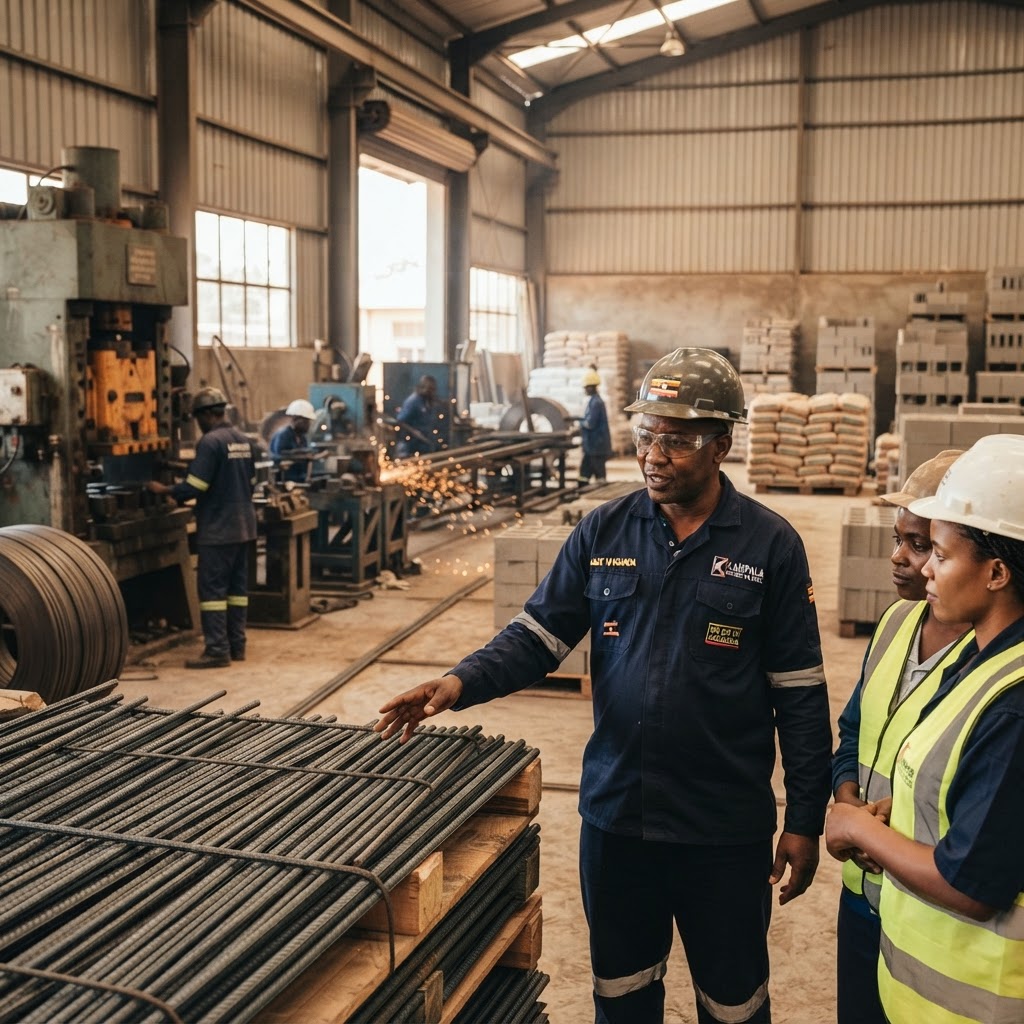
We take a deep dive into the evolution of Uganda's cement manufacturing sector and how local quality standards are defining the future of national infrastructure.
The Backbone of Ugandan Infrastructure
In the rapidly evolving landscape of Uganda's construction sector, the reliability of building materials is the cornerstone of structural integrity. As urbanisation intensifies in Kampala and across regional hubs, the demand for high-quality cement has never been greater. Local cement manufacturers have undergone a significant transformation, moving from basic production models to implementing international quality management systems that meet the rigorous demands of engineers and architects alike.
Quality Assurance and Standardisation
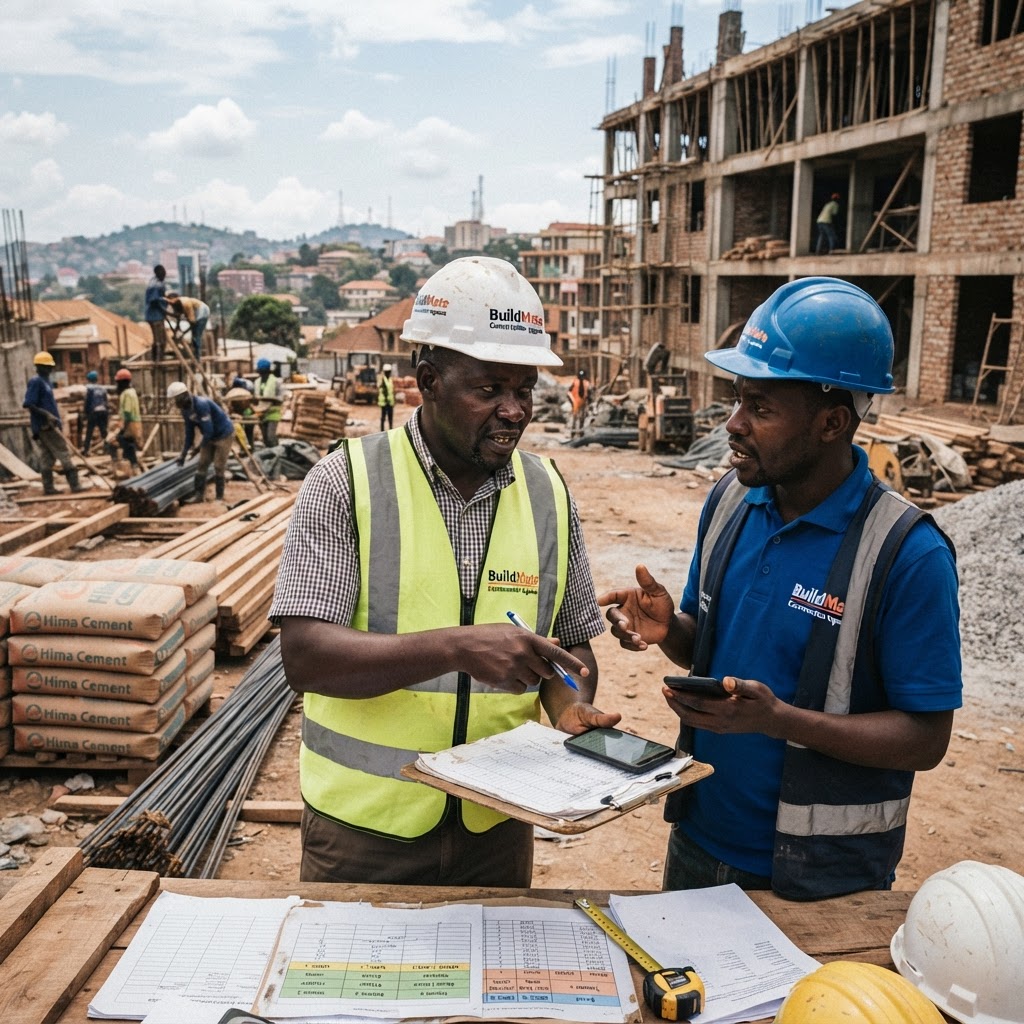
For contractors and developers, the primary concern when sourcing materials is consistency. Ugandan manufacturers have increasingly aligned their output with the Uganda National Bureau of Standards (UNBS) requirements. This move towards standardisation has provided much-needed peace of mind for site managers who need to ensure that the concrete strength in their foundations meets the structural specifications for multi-storey residential and commercial projects.
The Impact of Local Production on Project Costs
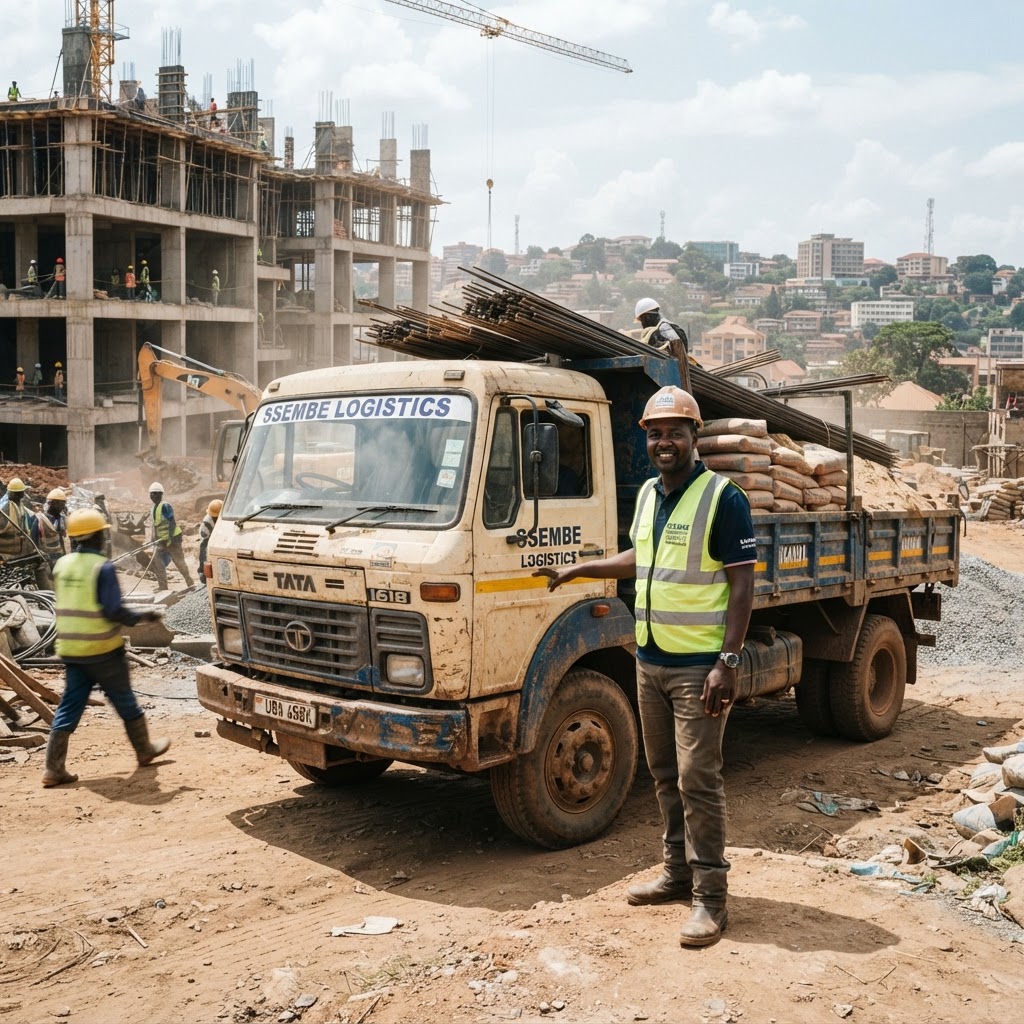
By shifting reliance towards locally manufactured cement, project managers are better equipped to mitigate the volatility associated with import logistics and exchange rate fluctuations. The availability of high-grade cement from domestic plants reduces lead times significantly, allowing for more predictable procurement schedules. Furthermore, supporting local production strengthens the regional supply chain, ensuring that transporters and logistics partners can maintain a steady flow of goods to remote construction sites.
Actionable Advice for Sourcing and Handling Cement
While the quality of locally manufactured cement has improved, the responsibility for maintaining integrity lies with the end-user on site. To ensure project success, consider these professional guidelines:
- Verify Batch Certification: Always request the latest laboratory test reports from the supplier or manufacturer to confirm the cement strength class (e.g., CEM I or CEM II).
- Optimize Storage Conditions: Even the highest quality cement will degrade if exposed to moisture. Store bags on raised wooden pallets, well-covered and away from damp walls.
- Monitor Mix Ratios: Follow the structural engineer's mix design precisely. Over-diluting cement to save costs is a leading cause of structural cracking and long-term project failure.
- Procure from Verified Sources: Use a reputable marketplace platform to verify that your supplier is an authorized distributor for the manufacturer, preventing the risk of counterfeit or re-bagged products.
The Future of Sustainable Manufacturing
The next frontier for Ugandan manufacturers is sustainability. As the construction industry faces pressure to reduce its carbon footprint, we are seeing shifts toward low-carbon clinker production and energy-efficient kilns. For developers, partnering with manufacturers who prioritize these green initiatives is not just an environmental choice but a strategic one, as sustainability certifications become more critical in securing international investment for large-scale property developments.
Partnering for Success on Uganda CIS
Navigating the complex landscape of construction materials requires reliable partners and verified data. Whether you are a lead contractor overseeing a major infrastructure project or a private property owner embarking on a home build, access to the right suppliers is essential for your project's longevity. We invite you to join our network of industry professionals today. Please visit uganda-cis.com/register to create your business account, explore our directory at uganda-cis.com/suppliers to find top-rated material providers, or submit your specific requirements at uganda-cis.com/enquiry to receive competitive quotations from trusted suppliers across the country.
More Articles