Unlocking Economic Growth Through District Level Infrastructure Development in Uganda

As Uganda decentralizes economic development, new construction opportunities are emerging across districts, offering lucrative prospects for contractors and investors.
The Shift Towards Decentralized Construction in Uganda
For many years, the primary focus of Uganda's construction sector remained heavily concentrated within the Greater Kampala Metropolitan Area. However, a significant transformation is currently underway. Government initiatives, coupled with regional development plans, are pushing economic growth into the districts. This decentralization is creating a wealth of opportunities for contractors, material suppliers, transporters, and property developers who are willing to look beyond the capital.
Identifying High-Growth Districts
Not all districts offer the same immediate potential. Successful stakeholders are currently focusing on secondary cities and administrative hubs where population density is rising and local government services are being expanded. Regions such as Gulu, Mbarara, Mbale, and Jinja have been designated as regional cities, attracting significant budget allocations for road networks, water systems, and commercial infrastructure. Understanding these geographic priorities is essential for any construction professional looking to scale their operations.
Why District Development Matters for Your Business
Engaging with district-level projects provides a buffer against the intense competition found in Kampala. Furthermore, participating in these regional developments allows businesses to contribute directly to local job creation and infrastructure improvement. For diaspora investors, these areas represent untapped potential for affordable housing and agricultural processing facility development, which are increasingly supported by local land policies.
Strategic Advantages of Regional Engagement
The decentralization of infrastructure projects offers several tactical advantages for construction firms:
- Reduced competition from large-scale national firms in early-stage projects.
- Stronger rapport with local district planners and community leaders.
- Lower operational costs regarding labor and local material sourcing.
- Access to government-subsidized industrial park incentives in specific regions.
Optimizing the Supply Chain in Remote Districts
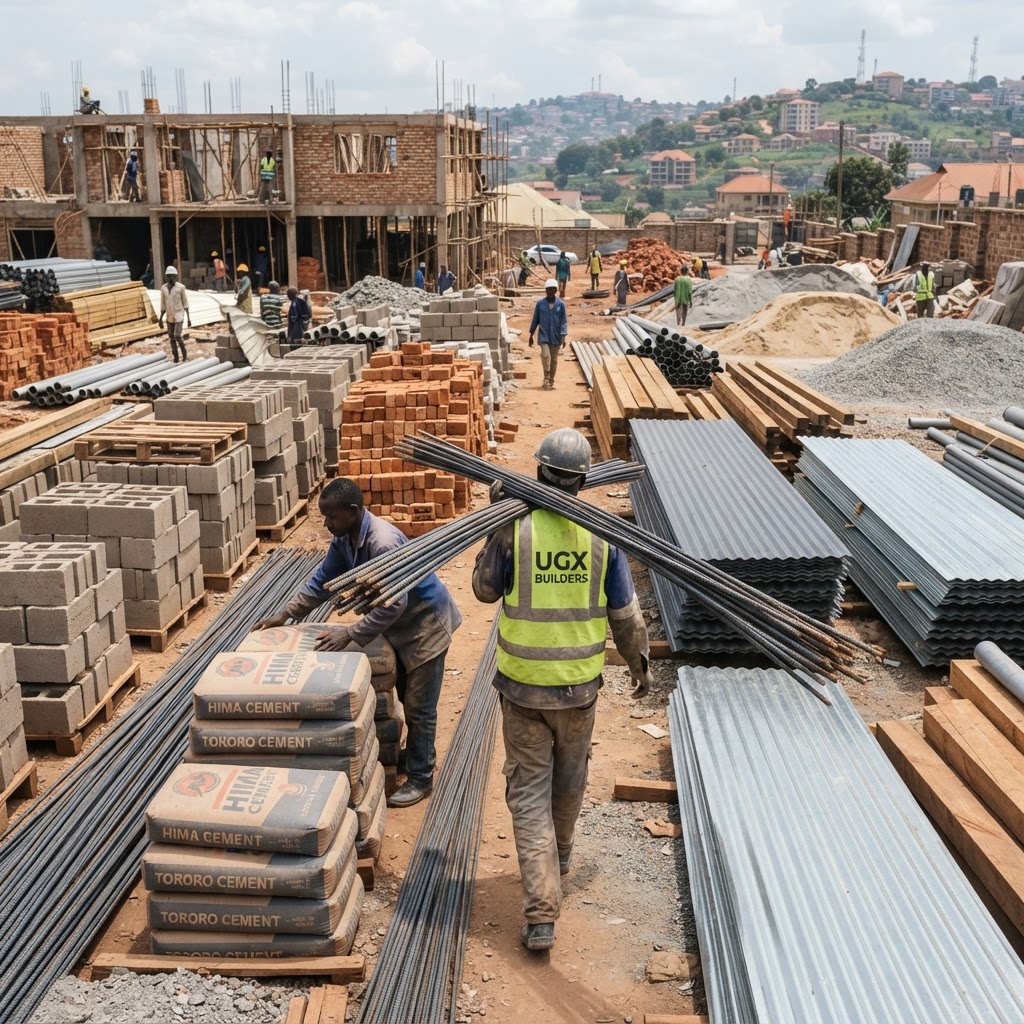
One of the primary challenges in district-level development is the logistical strain. Transporting building materials from manufacturing hubs to peripheral districts often impacts project timelines and budgets. To mitigate this, contractors should prioritize local material suppliers. Utilizing the Uganda CIS platform to identify verified suppliers within specific districts can significantly reduce transport overheads and minimize carbon footprints while supporting the local economy.
Building Professional Networks Locally
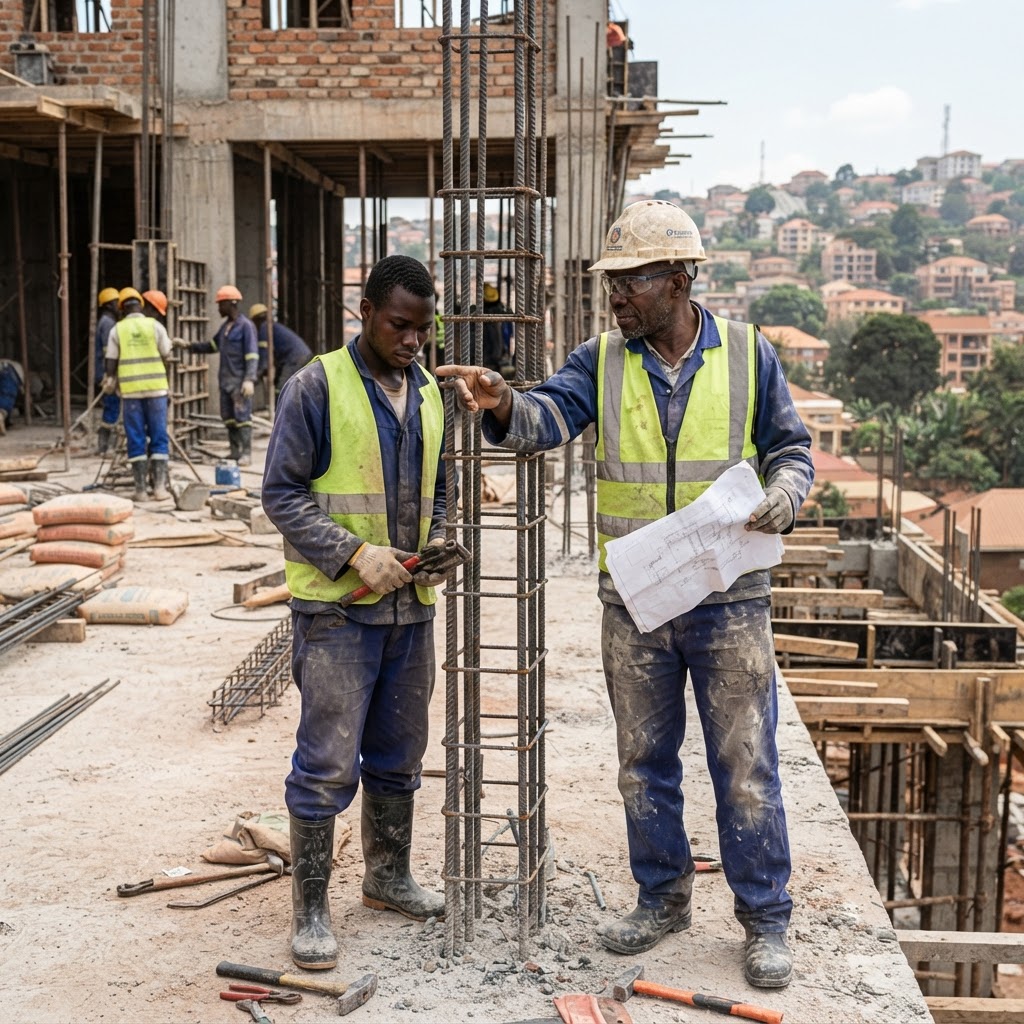
Success in regional construction is rarely a solitary endeavor. It requires deep integration with local tradesmen and sub-contractors who understand the terrain, the local building codes, and community expectations. By building a network of reliable local partners, firms can ensure high-quality delivery even in challenging environments. This collaborative approach not only ensures efficiency but also builds the reputation required to win subsequent public tenders in the district.
Actionable Steps for Investors and Developers
For property developers and investors, the key to success lies in conducting thorough market feasibility studies. Demand for high-quality residential housing, modern warehouse space, and retail units is growing in regional administrative centers. Investors should consider the following:
- Assess the proximity to main transport corridors.
- Evaluate the availability of utility services such as electricity and water.
- Engage architects who are familiar with regional planning regulations.
- Collaborate with professional project managers to ensure strict adherence to safety and quality standards.
The landscape of the Ugandan construction industry is changing, and the most successful firms are those that recognize these district-level opportunities early. Whether you are a supplier looking to expand your reach, a contractor searching for new projects, or an investor seeking stable returns, the regional market provides a sustainable path for growth.
To stay ahead of these developments and connect with the right partners across Uganda's growing districts, ensure your business is visible to decision-makers. You can register your business today at /register to showcase your services, browse our comprehensive list of suppliers at /suppliers to source materials locally, or request a professional project quotation at /enquiry to get your next regional project started with the right team.
More Articles