Navigating Weekly Construction Material Price Fluctuations in Uganda
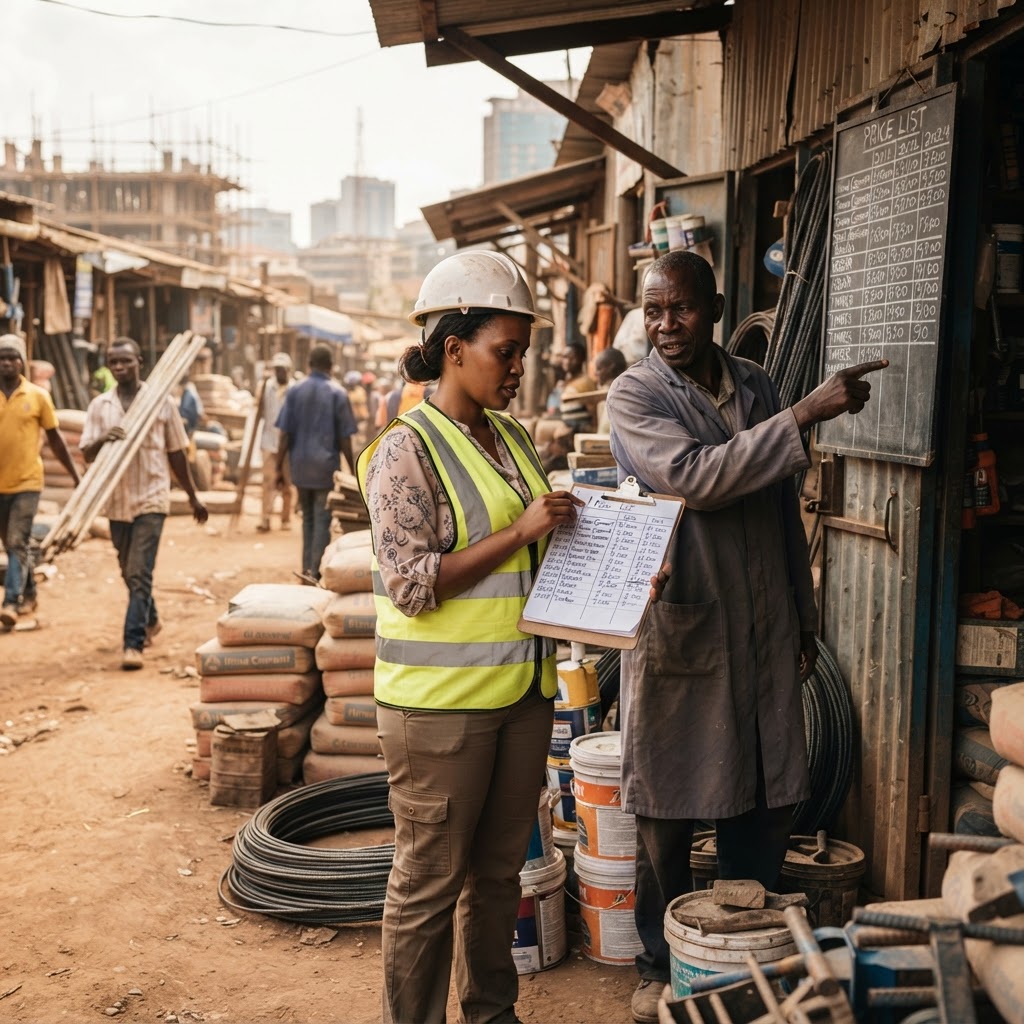
This week's market analysis explores the volatility of building material prices in Uganda and provides strategies to protect your project budget from inflation.
Understanding Market Volatility in Ugandan Construction
For contractors, property developers, and individual builders across Uganda, the cost of construction materials remains one of the most unpredictable variables in project management. Weekly price shifts for essential items—such as cement, steel reinforcement bars, roofing sheets, and aggregates—can significantly impact your bottom line. At Uganda CIS, we recognise that navigating these fluctuations is critical for maintaining project viability and ensuring that budgets are not overrun by unexpected market corrections.
Factors Driving Weekly Price Changes
Price volatility in our local market is rarely the result of a single factor. Instead, it is a complex intersection of local and global economic pressures that affect the supply chain. Key drivers currently impacting the market include:
- Global Logistics and Shipping: Much of our high-end finishing materials and specialised components remain imported. Fluctuations in fuel prices and international shipping costs directly influence the landed cost of goods at the border.
- Energy Costs: Local manufacturing of basic materials like cement and steel is energy-intensive. Any adjustment in national power tariffs or fuel prices for industrial generators is quickly reflected at the retail level.
- Seasonal Demand: The construction cycle in Uganda is heavily influenced by weather patterns. During the dry season, when construction activity peaks, demand-pull inflation often causes prices for sand, bricks, and concrete to rise.
- Exchange Rate Fluctuations: Since many wholesale transactions for imported building materials are linked to foreign currency stability, any movement in the Uganda Shilling against major currencies forces suppliers to adjust prices to protect their profit margins.
Actionable Strategies for Budget Protection
While you cannot control the market, you can certainly manage how your project responds to it. Professional planning is your best defense against price volatility.
Establish Transparent Supplier Agreements
Avoid relying on spot-market pricing for major project components. Instead, negotiate fixed-price contracts or supply agreements that guarantee rates for a specific volume of materials over a set timeframe. Working with verified, professional suppliers found on the Uganda CIS platform can help you secure better terms through volume commitments.
Adopt Just-in-Time Procurement
While bulk buying can sometimes lock in a price, it also carries the risk of storage damage and theft. If you have a reliable logistics partner, consider a phased procurement strategy. This allows you to purchase materials in waves aligned with the actual progress of the work, reducing capital tied up in stock and minimising the risk of site losses.
Factor in a Contingency Buffer
In the current economic climate, a standard 5% to 10% contingency fund is no longer sufficient. Industry experts recommend increasing your material price contingency to at least 15% for projects lasting longer than six months. This cushion allows you to absorb sudden price spikes without needing to compromise on the quality of the finishings or stalling work entirely.
The Role of Data in Smarter Construction
Information is the most powerful tool in your procurement arsenal. By monitoring market trends and maintaining open lines of communication with reputable vendors, you can make informed decisions rather than reactive ones. Being proactive means checking current market rates before committing to large orders and ensuring that your engineering team has specified materials that are readily available in the local market to avoid import-related delays.
Whether you are a developer looking for the best price for structural steel or a property owner searching for reliable local tradesmen to install finishing materials, having access to a centralised marketplace is essential. We invite you to streamline your procurement process by visiting our platform today. You can register your business at /register to start networking with industry peers, browse our extensive database of suppliers at /suppliers to compare market rates, or request a project quotation at /enquiry to get competitive bids from professionals across the country.
More Articles