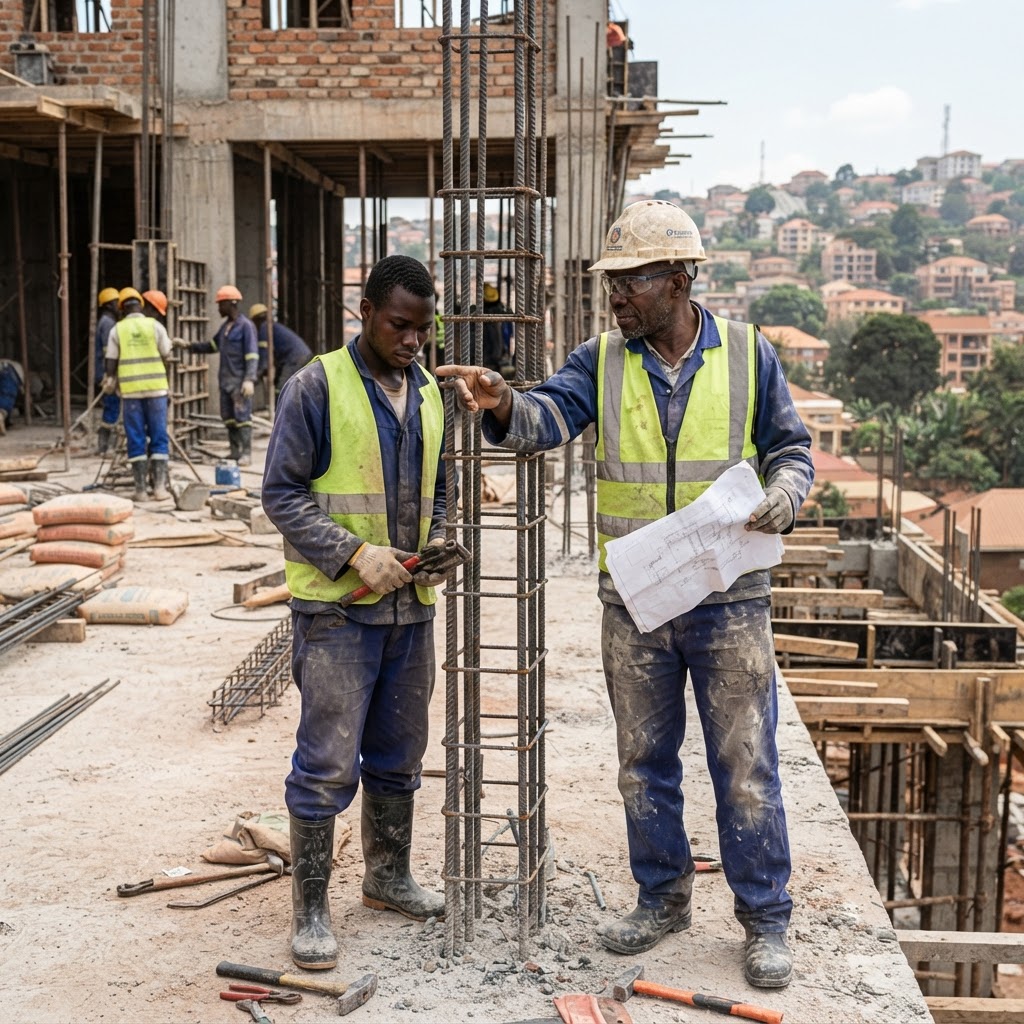
Engaging Local Government Services for Efficient Construction Projects in Uganda

Effectively navigating local government services is critical for any construction professional in Uganda. This guide covers how to streamline approvals and project compliance.
The Crucial Role of Local Government in Construction
For contractors, developers, and property owners in Uganda, the local government represents both a regulatory authority and a vital partner in the construction lifecycle. From District Local Governments to Municipal Councils, these bodies manage essential functions such as land use planning, building inspection, and the issuance of development permits. Understanding how to navigate these services efficiently is not merely a bureaucratic requirement; it is a fundamental aspect of professional project management that can determine the timeline, budget, and ultimate legality of your build.
Streamlining the Building Permit Process
The first point of contact for any construction project is typically the District or Municipal Physical Planning Committee. Securing a development permit requires adherence to the Physical Planning Act. To ensure your application does not stall, prioritize the following:
- Ensure all architectural and structural drawings are stamped by registered professionals.
- Obtain a valid land title or an approved agreement that demonstrates clear ownership.
- Conduct a site analysis to ensure the proposed structure aligns with the district's zoning regulations.
- Submit complete sets of documentation to avoid back-and-forth requests for missing information.
By engaging with your local physical planner early in the design phase, you can identify potential constraints before committing significant capital to the project.
Utility Connections and Public Works
Beyond permits, local governments oversee public works that impact your project's accessibility and utility connections. Coordinating with the local authority regarding road access, drainage, and waste management is essential. In urban areas like Kampala or surrounding municipalities, the local government works in tandem with national agencies to facilitate water and electricity connections. Proactive communication with the town engineer or the works department ensures that your site complies with local infrastructure requirements, minimizing the risk of stop-work orders during the construction phase.
Compliance and Inspections
Regular site inspections by municipal officials are a legal obligation that serves to protect public safety and maintain architectural standards. These inspections are not something to fear but to embrace as part of the quality assurance process. To remain in compliance, keep a physical or digital site folder containing:
- Approved building plans.
- Proof of valid permits.
- Records of material testing results.
- Health and safety logs for site workers.
Actionable Advice for Industry Professionals
To succeed, treat your relationship with local government officers as you would any other stakeholder. Maintain transparency, keep meticulous records, and ensure your team understands the local by-laws that govern their specific trade. If you are a diaspora investor, hire a reputable local project manager who understands the nuances of the local regulatory environment, as this local knowledge is often the deciding factor in project timelines.
Successfully navigating these services is an integral part of the construction ecosystem on Uganda CIS. We provide the tools and connections you need to source high-quality materials and reliable tradesmen who understand the importance of regulatory compliance. If you are ready to move your project forward, we invite you to register your business at /register, browse our verified suppliers at /suppliers, or submit a request for a professional project quotation at /enquiry today.
More Articles