Mastering Project Planning for Successful Construction Delivery in Uganda
Effective project planning is the backbone of any successful construction venture in Uganda, ensuring resources are managed efficiently from concept to completion.
The Foundation of Construction Success
In the rapidly evolving construction landscape of Uganda, project planning is frequently underestimated. Whether you are a property developer in Kampala, a civil engineer overseeing infrastructure, or a member of the diaspora investing in a residential build, the success of your venture relies on a robust plan. Proper planning is not merely a bureaucratic requirement; it is a vital strategy to mitigate the risks of cost overruns, material shortages, and project abandonment.
The Critical Stages of Project Planning
Site Analysis and Feasibility Studies
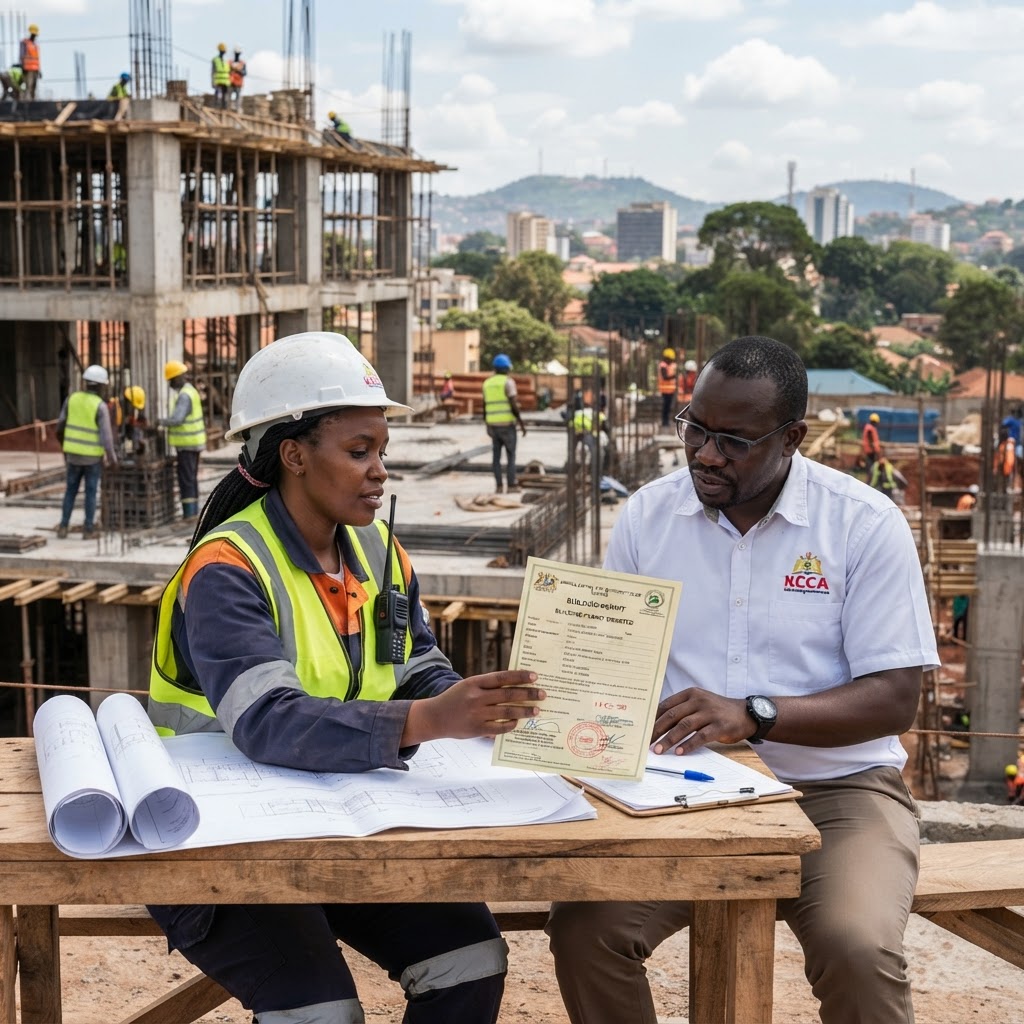
Before moving any earth, professionals must conduct a thorough site analysis. In Uganda, this includes assessing soil stability, drainage patterns, and access for heavy machinery. For property owners, understanding zoning regulations and land tenure status in Uganda is an essential first step that avoids future legal disputes. A feasibility study provides the baseline data needed to determine whether a project is financially viable before committing capital.
Defining the Scope and Resource Allocation
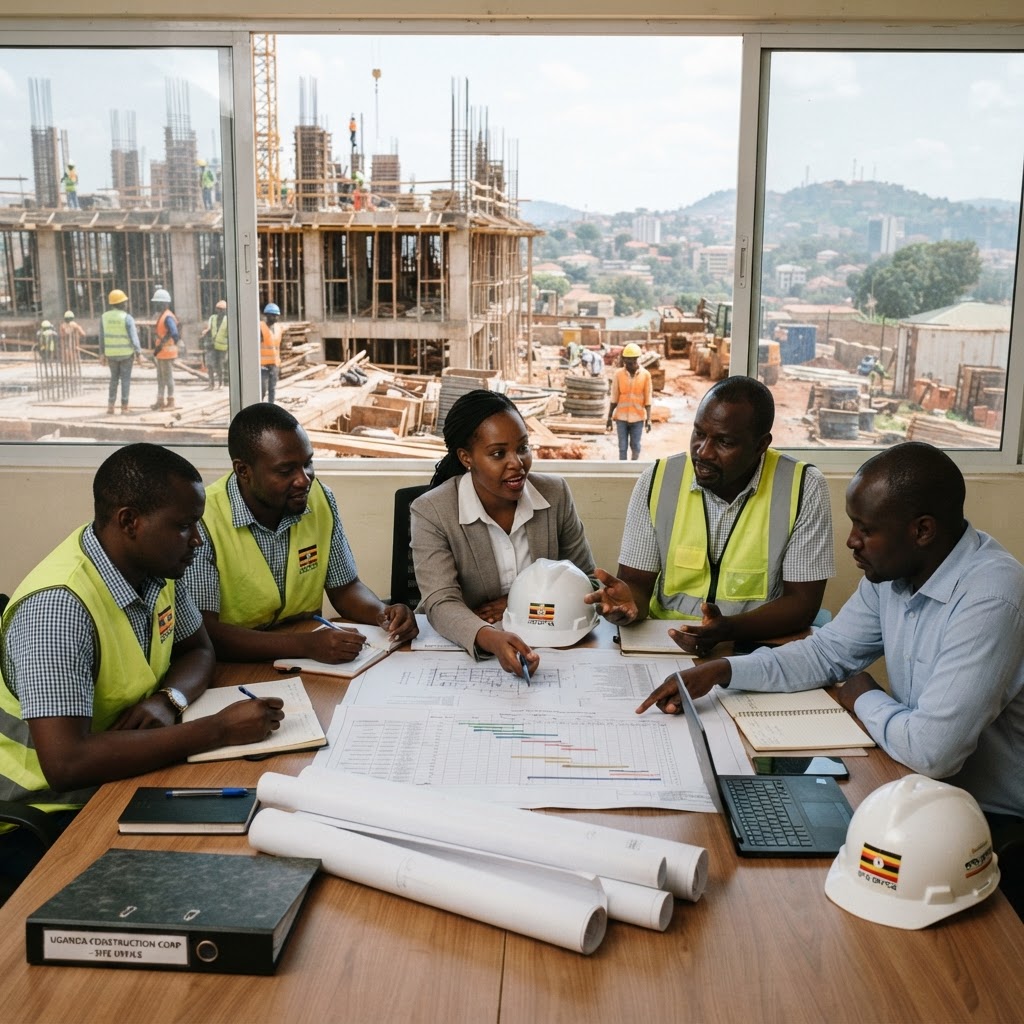
A well-defined scope prevents scope creep. Architects and developers must collaborate closely to establish precise requirements. Once the scope is locked, resource allocation begins. This involves identifying reliable building material suppliers, securing specialized tradesmen, and arranging logistics for transport services. In the Ugandan market, consistency is key; failing to secure your supply chain early can lead to significant delays during peak construction seasons.
Managing Logistics and Procurement in Uganda
Logistical challenges are a reality of the construction sector in Uganda. Effective planning requires a detailed procurement schedule. You must account for lead times on essential goods like high-grade steel, cement, and electrical fixtures.
- Establish relationships with multiple reputable suppliers to avoid dependency.
- Coordinate transport services in advance to ensure materials reach the site without interruptions.
- Implement a just-in-time delivery strategy to minimize site storage requirements and potential material theft.
Financial Planning and Budgetary Discipline
Creating a Contingency Fund
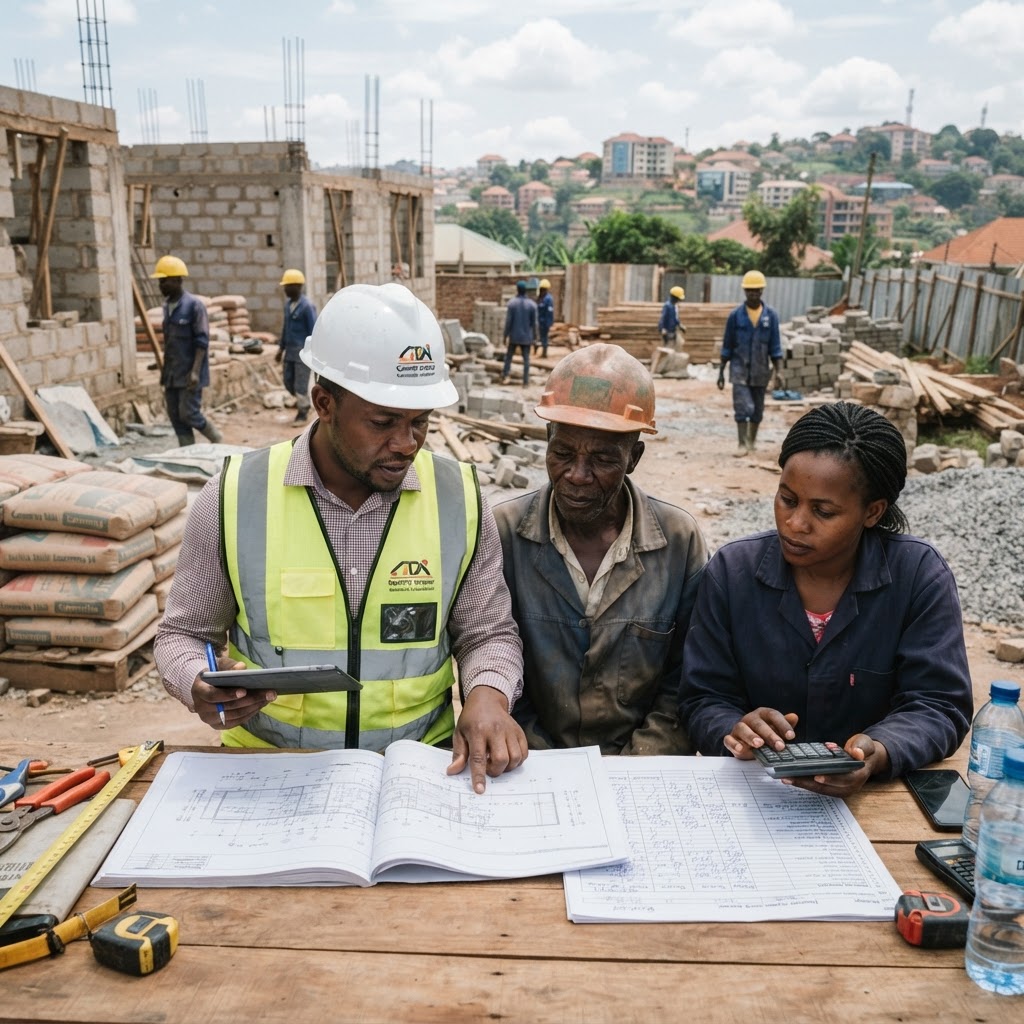
Construction inflation in Uganda can impact the bottom line of any project. Always include a contingency fund of at least 10% to 15% to account for price fluctuations in essential commodities and unforeseen site conditions. Accurate estimation—utilizing current market prices—is the difference between a project that stalls and one that finishes ahead of schedule.
Regular Progress Reporting
Financial transparency throughout the project lifecycle is vital. Engineers and contractors should provide regular, detailed reports to property owners. By tracking expenditure against the original project plan, stakeholders can make informed decisions quickly if adjustments are necessary.
Leveraging the Uganda CIS Ecosystem
Planning requires access to the right partners. Whether you are a lead contractor needing certified tradesmen or a developer seeking reliable suppliers for your next project, the Uganda CIS platform provides the transparency and connectivity the industry demands. We encourage you to streamline your project planning by visiting our platform today. You can register your business at /register to showcase your services, browse our verified database of suppliers at /suppliers, or submit a request for a project quotation at /enquiry to connect with the professionals necessary to bring your construction vision to life.
More Articles