Unlocking Potential: A Guide to Mortgage Financing for Ugandan Property Development

Understanding mortgage options is essential for developers and property owners in Uganda to leverage capital for growth and sustainable construction projects.
The Evolution of Mortgage Financing in Uganda
For many Ugandans, the dream of homeownership or the ambition to undertake significant property development has historically been hampered by high-interest rates and complex financing hurdles. However, the mortgage market in Uganda is gradually maturing, offering new avenues for stakeholders across the construction value chain. Whether you are an architect planning a multi-unit development, a contractor seeking project financing, or a diaspora investor looking to secure a foothold in the local real estate market, understanding the nuances of mortgage education is paramount.
Core Components of Mortgage Financing
A mortgage is not merely a loan; it is a long-term financial commitment that requires careful strategic planning. In the Ugandan context, borrowers must navigate several critical elements before approaching financial institutions.
1. Loan-to-Value (LTV) Ratios
Financial institutions typically require a deposit, usually ranging between 10% and 30% of the property's value. Understanding your LTV ratio is vital, as it dictates the size of your mortgage and the interest rates you may be eligible for. A higher deposit often translates to more favourable terms.
2. Debt Service Ratio (DSR)
Lenders evaluate your ability to repay by calculating your Debt Service Ratio. This is the percentage of your monthly income that goes towards servicing debts. Maintaining a healthy DSR is essential for securing approval from major commercial banks in Uganda.
3. The Role of Property Valuation
In Uganda, professional property valuation is non-negotiable. Banks rely on certified valuers to ensure the security offered is sufficient to cover the loan. For developers, ensuring that your architectural plans align with market standards is key to achieving a valuation that supports your funding goals.
Strategies for Developers and Diaspora Investors
For those involved in commercial construction, the approach to mortgages differs from that of a standard homebuyer. Developers often look for construction finance, which is disbursed in stages, rather than a traditional mortgage. Diaspora investors, on the other hand, face unique challenges regarding documentation and proof of income. Maintaining transparent financial records, tax compliance documents, and certified proof of land ownership is essential for a smooth application process.
Best Practices for Approaching Financial Institutions
- Compile Comprehensive Documentation: Ensure your land titles (Mailo, Freehold, or Leasehold) are clean and verifiable.
- Engage Professional Consultants: Work with reputable architects and engineers to produce detailed bills of quantities (BoQs). Banks are more likely to fund projects with clear, professional cost projections.
- Compare Interest Rates and Terms: Do not settle for the first offer. Compare the total cost of credit across multiple Tier 1 banks to understand the long-term impact on your project's ROI.
- Verify Supplier Reliability: Lenders prefer projects that source materials from trusted, vetted suppliers to minimize the risk of project stalls.
The Synergy Between Financing and Procurement
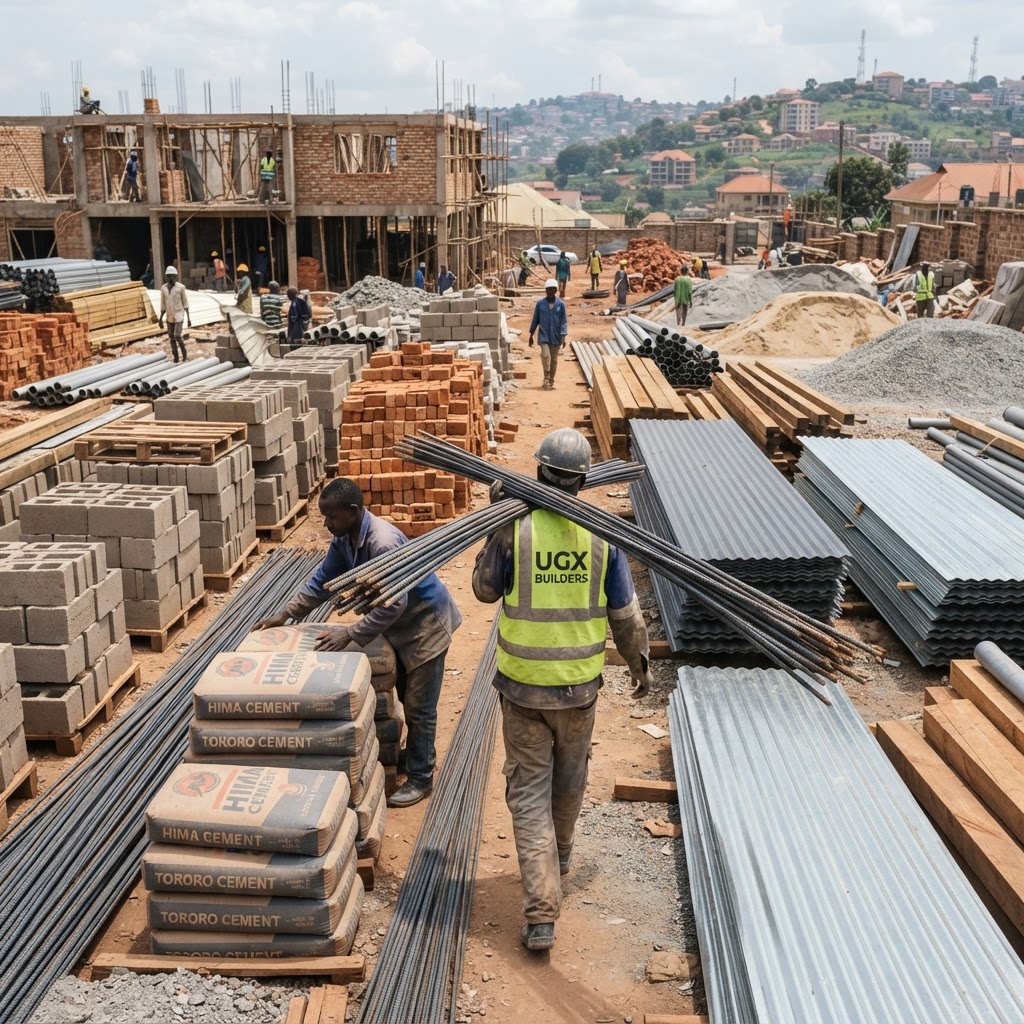
A successful construction project relies on the seamless integration of capital and high-quality materials. When you have secured your financing, the next crucial step is ensuring that your budget is optimized through efficient procurement. By sourcing materials from verified suppliers, you ensure that your capital is invested in high-quality assets that maintain property value over time. Effective project management and resource allocation are what distinguish successful developments from those plagued by cost overruns.
To streamline your next project, leverage the resources available at Uganda CIS. We bridge the gap between financial planning and execution by connecting you with top-tier suppliers, skilled tradesmen, and industry experts. Whether you are ready to start building or are still in the planning phase, take the next step by registering your business at /register, browsing our verified network of /suppliers, or submitting a project requirement via /enquiry to receive competitive quotations from trusted industry players.
More Articles