A Professional Guide to Selecting and Sourcing Cement for Ugandan Construction Projects
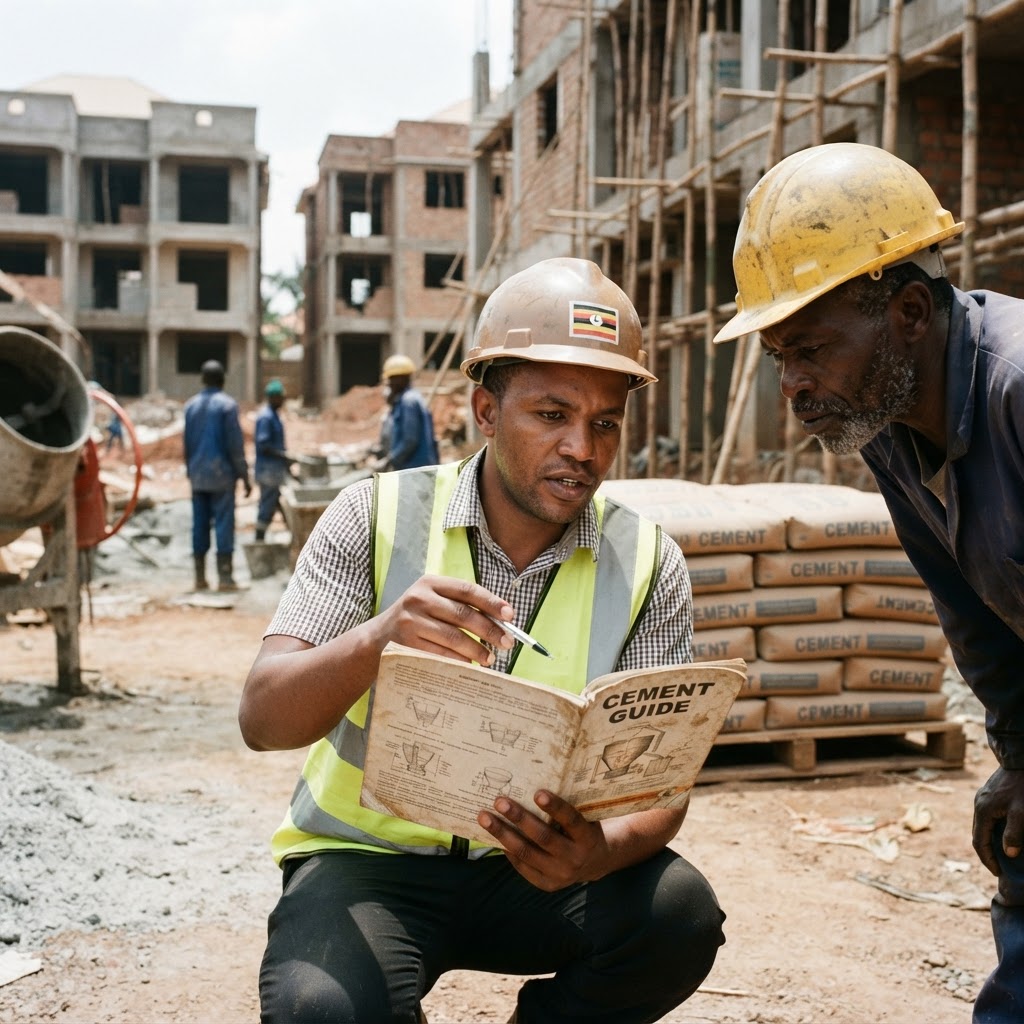
Master the art of cement selection to ensure the longevity and structural integrity of your construction projects across Uganda.
Understanding Cement Types for Ugandan Infrastructure
Cement serves as the foundational element for almost every construction project in Uganda, from residential bungalows to large-scale commercial infrastructure. Selecting the correct grade and type of cement is not merely a budgetary decision; it is a critical engineering requirement that dictates the structural integrity, curing time, and long-term durability of a building. In the Ugandan market, construction professionals must navigate various brands and specifications to ensure that their choice aligns with the specific environmental and structural demands of their project.
Portland Cement and Its Applications
The most common variant found in Ugandan hardware stores is Ordinary Portland Cement (OPC), often categorized by its compressive strength class (e.g., 32.5N, 42.5N). The 32.5N grade is widely used for general masonry work, floor screeds, and non-structural plastering. Conversely, the 42.5N grade is formulated for high-strength applications, such as reinforced concrete beams, columns, and slabs, where structural loads are significant. Using a higher-grade cement for structural elements is non-negotiable for project safety and compliance with the National Building Code.
Environmental Considerations in Uganda
Uganda’s diverse climate, ranging from humid lake regions to arid northern districts, influences how cement behaves during the setting process. Rapid evaporation in hotter regions can lead to shrinkage cracks if proper curing is not observed. Contractors and site engineers should always account for local weather conditions when calculating water-cement ratios. Furthermore, in areas with high soil salinity or water tables, selecting sulphate-resistant cement is essential to prevent degradation of foundations, a common issue often overlooked in residential construction.
Quality Assurance and Procurement Best Practices
The prevalence of counterfeit or substandard building materials remains a challenge in the construction industry. To mitigate risks, procurement managers and project owners must verify the source of their materials. Always ensure that the cement batches are freshly manufactured, as cement is hygroscopic and loses strength if stored in damp conditions for extended periods. When sourcing large volumes, it is advisable to buy directly from reputable manufacturers or certified regional distributors to ensure the product has been transported and stored correctly.
Actionable Tips for Suppliers and Contractors
- Verify UNBS certification marks on all packaging to ensure compliance with national quality standards.
- Store cement bags on raised timber platforms in a dry, well-ventilated warehouse to prevent moisture absorption.
- Avoid 'dead' or lumpy cement; if the powder does not flow freely, its chemical properties have been compromised.
- Always perform a small field test if you are unsure of the batch quality before commencing large pours.
Optimising Construction Costs
Cement typically represents a significant portion of the material budget. Fluctuations in energy prices and logistics costs can impact retail prices across Uganda. By streamlining your supply chain, you can reduce overheads. Partnering with professional transporters who specialise in construction logistics ensures that your cement arrives on-site on schedule, preventing costly downtime for your construction crew. Strategic planning allows you to benefit from bulk pricing rather than making multiple small, expensive trips to local hardware shops.
The Uganda CIS Advantage
Navigating the complex landscape of cement procurement requires reliable partners and verified data. Whether you are a developer looking for bulk suppliers or a contractor seeking competitive quotes, the Uganda CIS platform is designed to connect you with the best in the industry. Our marketplace provides the transparency needed to make informed purchasing decisions, helping you source high-quality materials from trusted vendors across the country. Visit our website at /register to create your business profile, browse our comprehensive list of verified suppliers at /suppliers, or submit an enquiry at /enquiry to get the best quotations for your next construction project today.