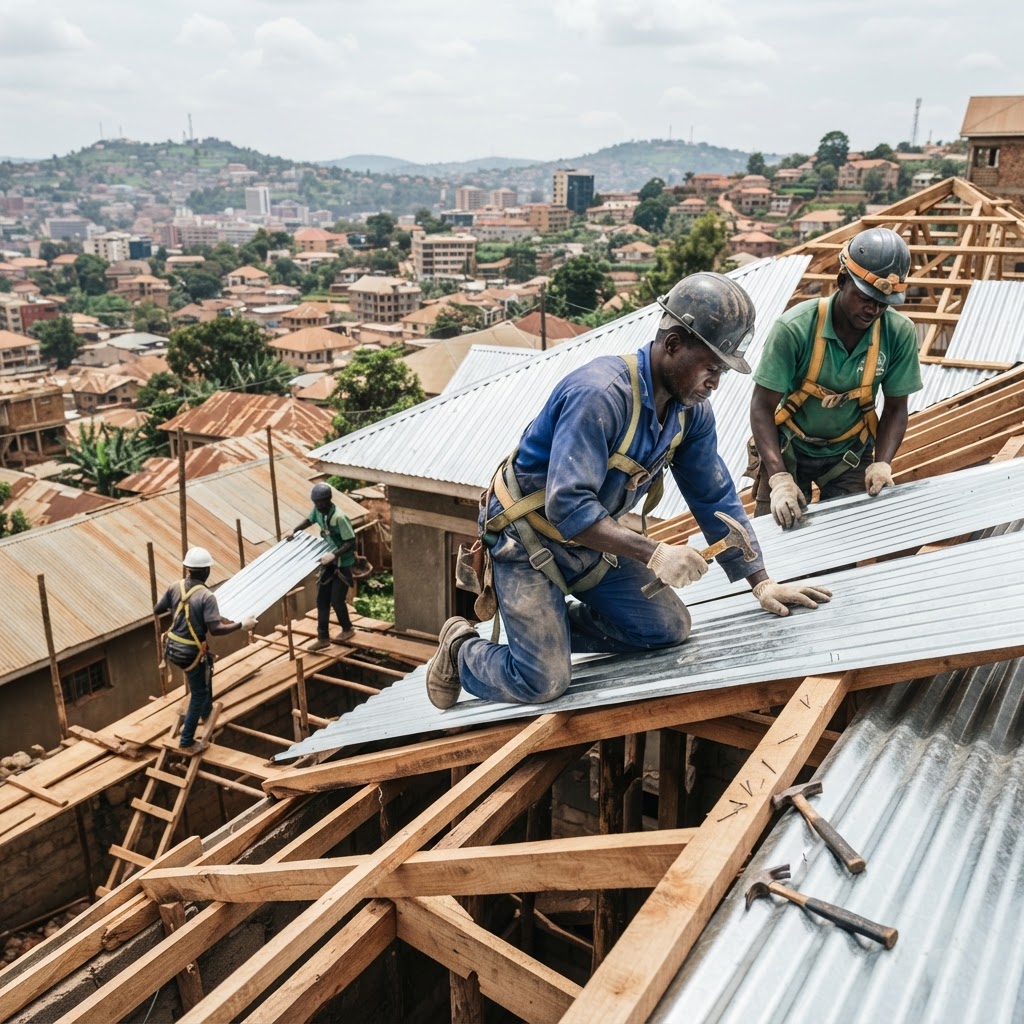
Mastering Water Harvesting Solutions for Sustainable Construction in Uganda
Explore how integrating robust water harvesting systems into Ugandan property developments addresses water scarcity and adds long-term value for investors.
The Vital Role of Water Harvesting in Uganda’s Modern Infrastructure
As Uganda’s construction sector experiences rapid growth, the demand for sustainable infrastructure has never been higher. Water scarcity, exacerbated by shifting climate patterns, necessitates a shift in how we approach site utility management. For contractors, developers, and architects, incorporating water harvesting systems is no longer merely a green initiative; it is a critical component of climate-resilient engineering that significantly enhances property value.
Understanding the Mechanics of Rainwater Collection
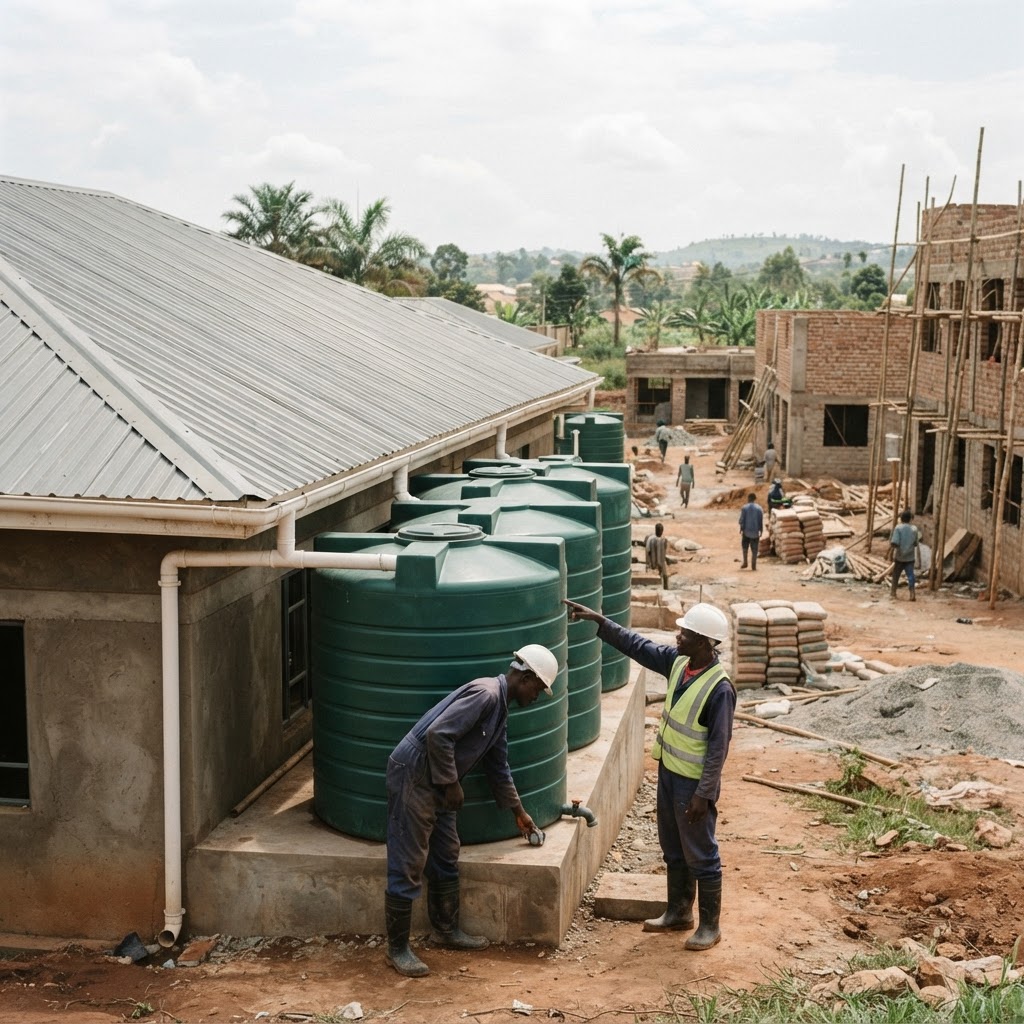
At its core, a rainwater harvesting system is a cost-effective method of capturing, filtering, and storing precipitation for non-potable uses. In the context of the Ugandan climate, where two distinct rainy seasons provide substantial annual volumes of water, failing to capture this resource represents a missed opportunity for operational efficiency. A well-designed system typically comprises a catchment surface—usually the roof—a guttering network, first-flush diverters to remove debris, and storage tanks.
Strategic Design Considerations for Local Projects
Engineers and architects must prioritise water management during the design phase of residential and commercial projects. Key considerations include:
- Roof Material Selection: Ensure roofing materials are non-toxic and compatible with water collection to maintain purity.
- Guttering and Downpipe Capacity: Properly sized infrastructure is essential to manage high-intensity tropical rainfall without overflowing.
- Filtration Efficiency: Installing a first-flush diverter is critical to ensuring that the initial wash from the roof, which often contains dust and contaminants, does not enter the primary storage vessel.
- Storage Capacity: Calculating the necessary tank volume based on annual rainfall data for specific regions across Uganda is vital for year-round utility.
Enhancing Property Value and Operational Sustainability
For property owners and diaspora investors, integrating water harvesting solutions offers a clear competitive advantage. Properties equipped with independent water sources are inherently more resilient against municipal supply shortages or infrastructure failures. This self-sufficiency reduces long-term utility costs, making the development more attractive to prospective tenants and buyers. Furthermore, in agricultural or mixed-use developments, harvested water is an invaluable asset for landscaping and irrigation, maintaining site aesthetics even during the dry season.
Selecting the Right Materials and Suppliers
The success of a water harvesting system relies heavily on the quality of materials—specifically storage tanks, high-grade PVC piping, and filtration components. Procurement managers should prioritise suppliers who provide durable, food-grade storage tanks designed to withstand the intensity of the Ugandan sun to prevent degradation. Ensuring that your material suppliers are vetted for quality and consistency is essential for the longevity of the infrastructure.
Implementation Best Practices for Contractors
Contractors play a pivotal role in ensuring that these systems are installed to standard. A common pitfall is the improper sealing of connections, which leads to leaks and contamination. Moreover, regular maintenance schedules must be communicated to the property owner upon handover. Simple routines, such as cleaning guttering systems before the onset of the rainy season and inspecting internal tank filters annually, ensure the system remains functional for decades.
By championing water harvesting, the Ugandan construction industry can lead the way in sustainable development, reducing pressure on national water grids while providing superior value to clients. Whether you are a developer planning a new estate or a homeowner looking to improve your existing property, investing in these systems is a step toward a more secure and efficient future.
Are you ready to integrate sustainable water harvesting systems into your next project? We invite you to visit Uganda CIS to register your business, browse verified suppliers for high-quality tanks and piping, or submit a request for a professional project quotation at /enquiry. Connect with the best in the industry today at /suppliers or join our growing network by visiting /register.
More Articles