Embracing the Smart Home Revolution in the Ugandan Construction Market
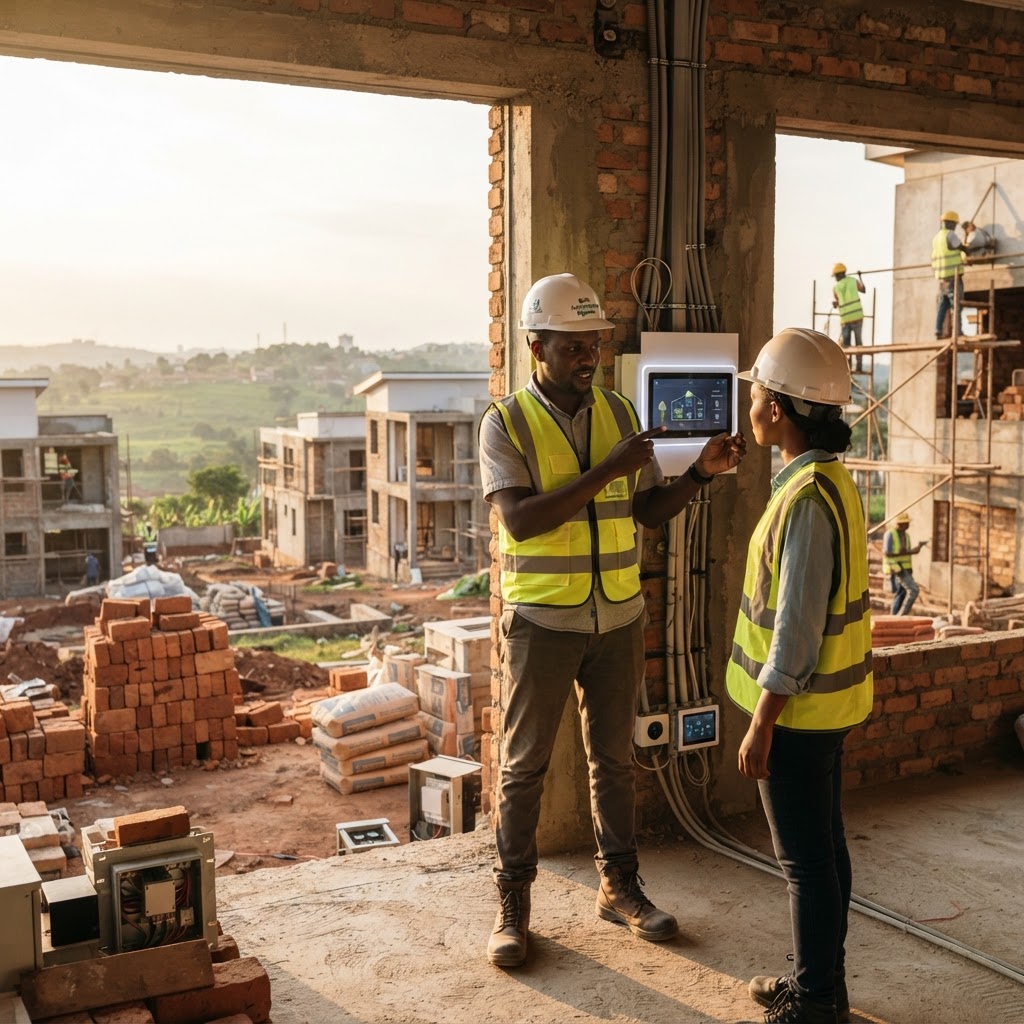
Smart home technology is no longer a luxury but a growing requirement for modern Ugandan real estate, offering improved security, energy efficiency, and convenience.
The Evolution of Modern Living in Uganda
The construction sector in Uganda is currently witnessing a paradigm shift as the concept of the 'smart home' moves from futuristic fantasy to tangible reality. Driven by increasing internet penetration, a burgeoning middle class, and a growing emphasis on security and energy management, smart homes are becoming a competitive differentiator for property developers and architects across Kampala and beyond. As an industry, we must understand that a smart home—or an intelligent building—is one equipped with devices that allow for remote monitoring, automation, and management of home functions, such as lighting, temperature, and security systems.
Why Smart Technology Matters in the Ugandan Context
In Uganda, the adoption of smart systems is uniquely influenced by local challenges. Security concerns and the need for energy efficiency, given the rising cost of electricity, are primary drivers. By integrating smart sensors, motion-activated lighting, and remote-controlled surveillance cameras, property owners can significantly enhance the safety and sustainability of their investments. Moreover, for diaspora investors who manage properties remotely, smart home technology offers an invaluable link to their assets, providing peace of mind through real-time updates and control over utility consumption.
Key Components of a Modern Smart Home
Implementing smart technology requires a coordinated approach from the planning stage. Integrating these systems after the building is completed often results in messy cabling and increased costs. For developers and engineers, the following components should be considered during the design phase:
- Smart Security Systems: Integration of biometric door locks, video doorbells, and IP-based camera networks that can be accessed via mobile applications.
- Energy Management Solutions: Automated thermostats and smart lighting systems that reduce electricity wastage when spaces are unoccupied.
- Connectivity Infrastructure: Ensuring high-speed network cabling (Cat6/Cat7) is embedded into the walls to support IoT (Internet of Things) device connectivity throughout the premises.
- Automated Gate and Irrigation Systems: Enhancing property functionality by allowing remote operation of access points and landscape maintenance.
Actionable Advice for Contractors and Suppliers
For contractors, the rise of smart homes represents a new market segment that requires upskilling. It is no longer enough to be proficient in traditional masonry and electrical work; you must now be familiar with low-voltage wiring and system integration. Suppliers, conversely, have a massive opportunity to stock and promote smart-enabled devices, ranging from smart switches to integrated home controllers. By providing technical support and training for installers, suppliers can position themselves as essential partners in this digital transition.
Overcoming Adoption Barriers
While the benefits are clear, we must address the challenges of initial cost and technical support. Many property owners fear that smart technology will be difficult to maintain. To mitigate this, the construction industry must prioritize the use of robust, high-quality components and ensure that after-sales service is readily available. Education is key; architects and engineers play a vital role in demonstrating to clients how the long-term savings on energy bills and the enhanced security features provide a high return on investment compared to traditional builds.
Future-Proofing Your Next Construction Project
As the Ugandan construction industry continues to grow, integrating smart technology is not merely a trend; it is the path forward for developers looking to add genuine value to their projects. Whether you are building luxury villas in suburbs like Kololo or developing gated communities, staying ahead of this technological curve is essential for attracting modern buyers and tenants. Uganda CIS is here to support this transformation by connecting you with the professionals and materials needed to build for the future.
Are you ready to integrate smart technologies into your upcoming projects? Visit uganda-cis.com/register to create your business profile and connect with a network of vetted suppliers and service providers. Alternatively, if you are a property owner looking for expert contractors familiar with smart home installations, browse our directory at uganda-cis.com/suppliers or submit your project details at uganda-cis.com/enquiry to receive competitive quotations from the industry's best.