Adopting Green Building Standards for Sustainable Development in Uganda
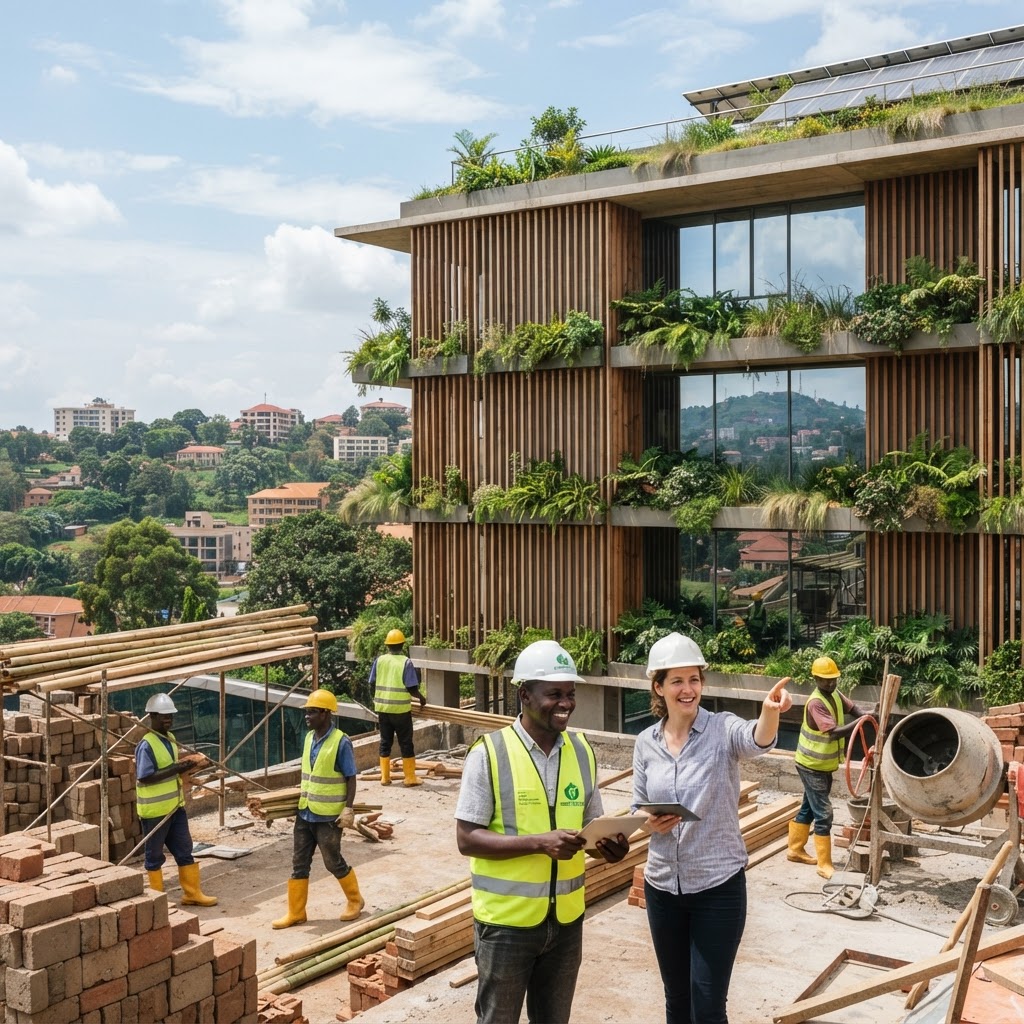
This article explores the rise of sustainable construction in Uganda, highlighting how eco-friendly building practices can reduce costs and increase property value.
The Evolution of Sustainable Construction in Uganda
As Uganda continues its rapid pace of urbanisation, the construction industry is facing a pivotal transformation. The traditional methods of building, often characterised by high energy consumption and significant material waste, are increasingly being challenged by the adoption of green building standards. Sustainable construction is no longer a luxury reserved for international projects; it is becoming a necessity for developers, architects, and property owners seeking to create resilient infrastructure that stands the test of time.
Defining Green Building in the Local Context
Green building in Uganda involves designing and constructing structures that minimise environmental impact while maximising energy and water efficiency. This approach considers every phase of the project lifecycle, from site selection and material sourcing to energy-efficient operation and long-term maintenance. In a climate like ours, with intense tropical sun and variable rainfall, intelligent design can significantly reduce the demand for artificial cooling and lighting, lowering utility costs for end-users.
Practical Strategies for Sustainable Development
Transitioning to green construction requires a holistic approach that engages every stakeholder in the supply chain, from material suppliers to project engineers.
1. Optimising Material Selection
The choice of materials is the cornerstone of sustainable construction. Contractors and architects are encouraged to source locally produced materials to reduce the carbon footprint associated with transportation. Furthermore, using materials with high thermal mass, such as fired clay bricks or stabilized soil blocks, can help regulate indoor temperatures, reducing the need for heavy air conditioning.
2. Incorporating Energy and Water Efficiency
Integrating energy-efficient technology is a high-impact strategy. This includes the use of LED lighting, solar water heating systems, and properly ventilated designs that allow for natural airflow. For water conservation, developers should implement rainwater harvesting systems, which are increasingly critical in urban centres where water scarcity is a growing concern.
3. Leveraging Sustainable Waste Management
Construction sites in Uganda produce substantial waste. By adopting site-specific waste management plans, contractors can divert materials like off-cuts, timber, and metal scraps away from landfills. Reusing materials within the same project or donating them to smaller-scale local builders reduces site clean-up costs and promotes a circular economy.
The Economic and Social Benefits
Beyond the environmental imperatives, green building makes sound business sense. Properties constructed with sustainable features often attract higher market values and command better rental yields. Diaspora investors and corporate tenants are increasingly prioritizing facilities that meet international environmental standards, making green buildings a more competitive asset class. Moreover, by reducing operational overheads such as electricity and water bills, these buildings provide long-term financial relief to occupants.
Challenges and the Way Forward
While the benefits are clear, the industry faces hurdles, including a lack of standardised certification schemes and perceived high initial costs. However, as the local market for green building materials grows, these costs are becoming more competitive. Collaboration between the private sector and regulatory bodies will be essential to foster an environment where sustainable practices become the industry norm rather than the exception.
Join the Future of Construction on Uganda CIS
To successfully integrate green practices, you need access to the right partners—from sustainable material suppliers to experienced architects who understand climate-responsive design. Whether you are looking for eco-friendly building materials, seeking reliable professional tradesmen to execute your vision, or aiming to list your firm as a leader in sustainable innovation, Uganda CIS is your primary resource. Visit our website at uganda-cis.com/register to create your profile today, browse our extensive network of suppliers at uganda-cis.com/suppliers, or submit a request for a project quotation through uganda-cis.com/enquiry to connect with the professionals who can help you build for a greener future.
More Articles