Integrating Sustainable Practices into Uganda’s Growing Construction Sector
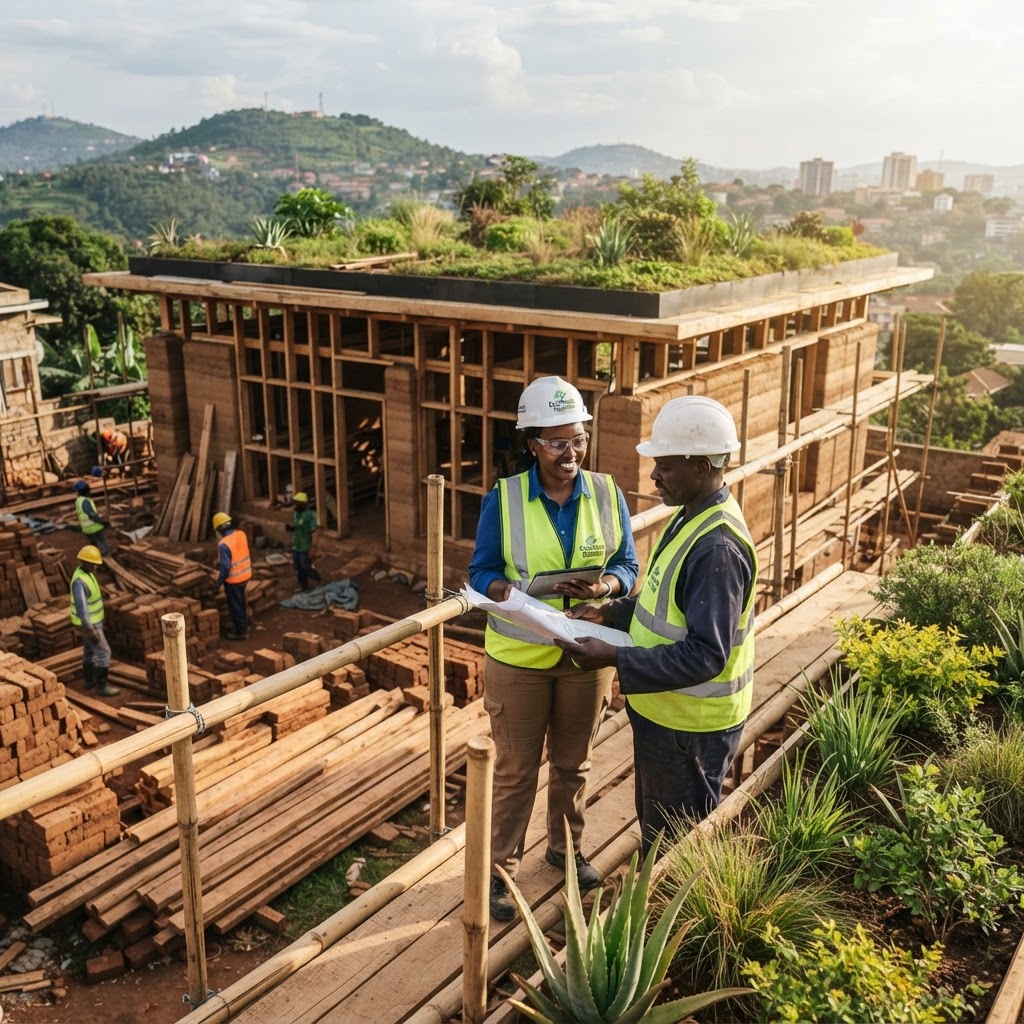
As Uganda undergoes rapid urbanisation, adopting environmentally sustainable building practices is essential for long-term growth and environmental stewardship.
The Imperative for Sustainable Building in Uganda
The construction sector in Uganda is currently witnessing an unprecedented era of expansion. From high-rise residential developments in Kampala to critical road infrastructure projects across the nation, the industry is the backbone of our economic development. However, this growth comes with significant environmental implications, ranging from resource depletion and waste management challenges to high carbon footprints. As professionals within this space, it is incumbent upon us to pivot towards sustainable construction practices that ensure environmental integrity without compromising on structural excellence.
Understanding Sustainable Construction
Sustainable construction, often referred to as green building, focuses on minimising the environmental impact of a building project throughout its entire lifecycle—from material extraction and manufacturing to construction, operation, and eventual demolition. In the Ugandan context, sustainability is not merely an international trend; it is a practical necessity. By integrating energy-efficient designs and resource-conscious procurement, stakeholders can significantly lower long-term maintenance costs and improve the comfort of occupants.
The Role of Local Material Sourcing
One of the most effective ways to lower the carbon footprint of any project in Uganda is through the strategic selection of materials. Transporting heavy building materials across long distances contributes heavily to greenhouse gas emissions. Contractors and project managers should prioritise sourcing from local Ugandan manufacturers wherever possible. By choosing local stone, timber, or locally manufactured bricks, you support the national economy while drastically reducing transport-related environmental harm.
Waste Management and Circularity
Construction sites in Uganda are notorious for high levels of material wastage. Implementing a robust waste management plan is a hallmark of a professional firm. This involves:
- Separating metallic waste from timber and concrete debris for recycling.
- Reusing formwork and scaffolding timber across multiple project phases.
- Partnering with licensed transporters who prioritise the responsible disposal of non-recyclable site refuse.
- Minimising over-ordering through precise inventory management systems.
Practical Steps for Engineers and Architects
Designers hold the power to influence sustainability before a single spade hits the ground. Incorporating passive design strategies, such as orienting buildings to maximise natural lighting and cross-ventilation, can significantly reduce the demand for artificial cooling and lighting. Furthermore, the use of water-efficient plumbing fixtures and rainwater harvesting systems is highly recommended for all new residential and commercial projects in Uganda to mitigate the pressure on municipal water supplies.
Sustainable Procurement Strategies
For developers, sustainable procurement involves vetting suppliers based on their commitment to ethical production and waste reduction. Instead of purely chasing the lowest upfront price, consider the durability of the materials. A high-quality product with a longer lifespan is invariably more sustainable than a cheaper alternative that requires replacement within a few years. When browsing for materials on Uganda CIS, look for suppliers who provide comprehensive specifications regarding the environmental profile of their goods.
Building a Greener Future Together
Sustainability in Uganda’s construction industry requires a concerted effort from all stakeholders, including property owners, contractors, and regulators. By choosing environmentally conscious methods, we are not only protecting our natural landscape but also creating value-added, resilient assets that will serve our communities for generations to come. Whether you are a small-scale builder or a large property developer, your choices matter. We invite you to join our growing community of industry professionals committed to excellence and sustainability. You can register your business at uganda-cis.com/register to build your professional profile. Alternatively, if you are looking for eco-friendly material providers, please browse our verified suppliers at uganda-cis.com/suppliers or submit a detailed request for a project quotation at uganda-cis.com/enquiry to connect with the right partners for your next sustainable build.